Requires a Uric Acid purge
I had NO IDEA!!!!! Dammit … I suppose I should be happy I’m alive and now have “hope” to undo the painful circumstance without surgery.
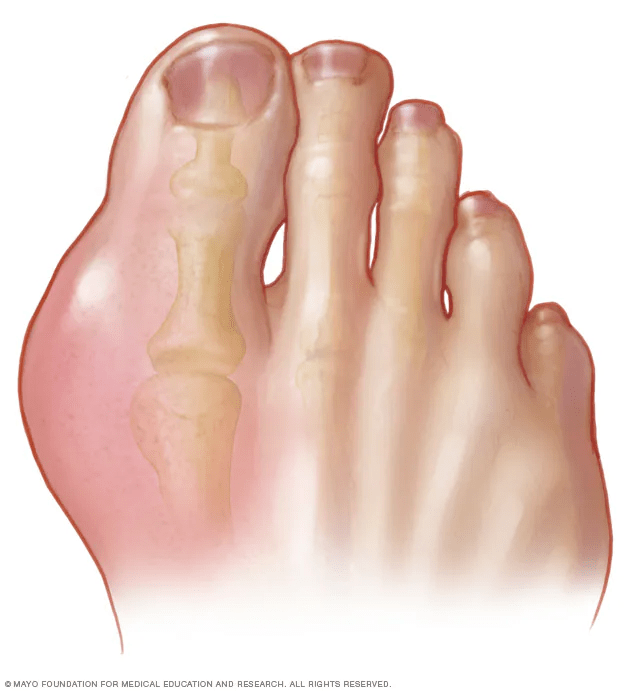
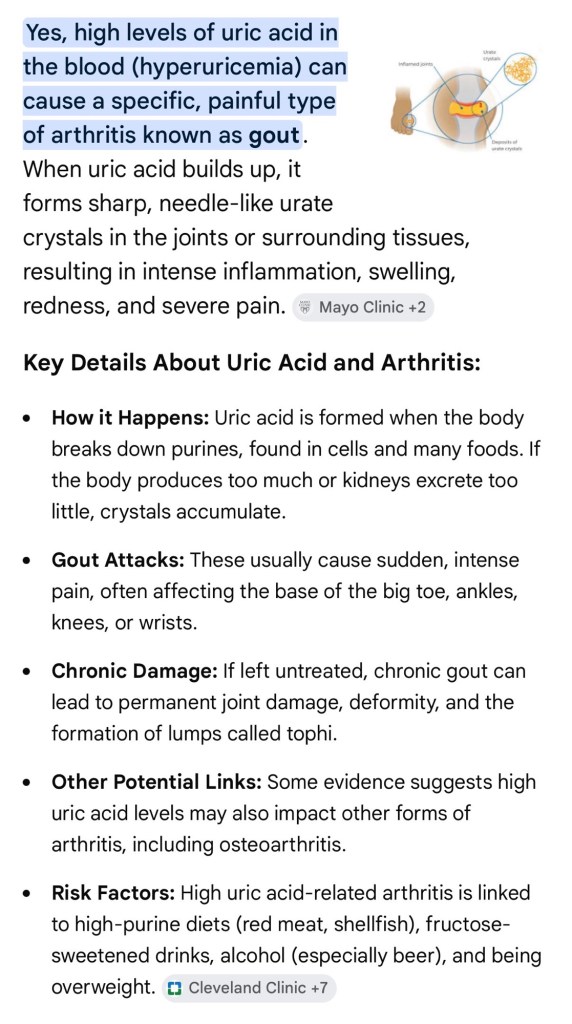
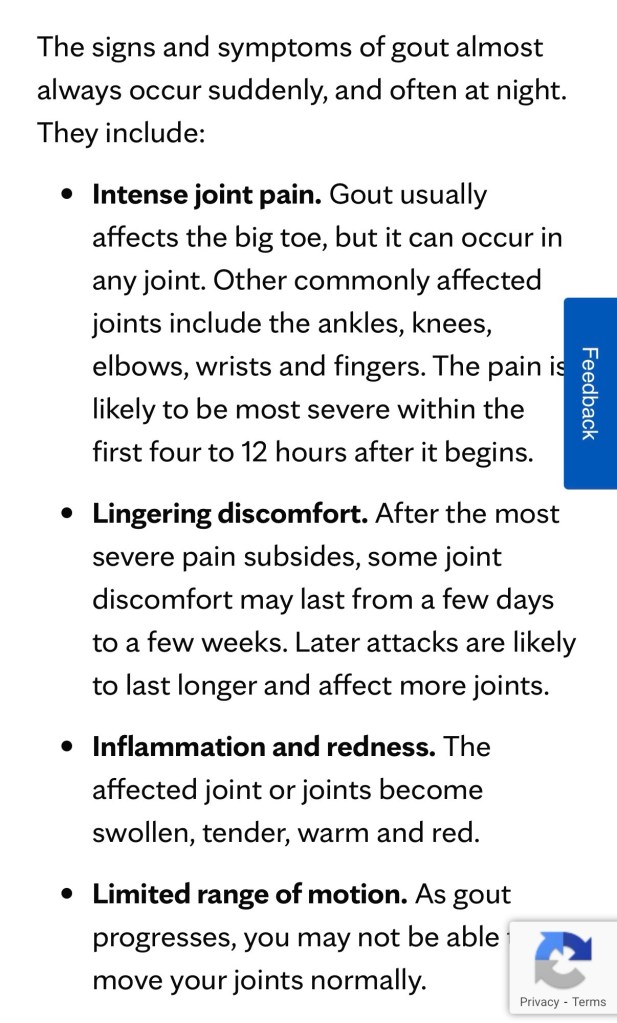
Requires a Uric Acid purge
I had NO IDEA!!!!! Dammit … I suppose I should be happy I’m alive and now have “hope” to undo the painful circumstance without surgery.
Vision:
I saw what appeared to be Heaven on the left. Beautiful, soft colors reminding me of clouds. Reminded me of the “Realm of Trine”. To the right (my right, their left) there was a building but what stood out was the giant door with a huge Ankh symbol on it.
A couple weeks ago there was something about the “Prodigal Son”, and what is good for the Crown is good for the Root.
Truth be known, if the root isn’t strong, stability, temperance, cannot be had nor can a Crown be gained.
The “Tree of Life” is rooted firmly in shadow and crowned in the light. What is “good for the crown” the treetops, is “good for the Root”, holding us firmly in Temperance … yielding to the pressure of the storm, and gently moving back when it’s time, bending without breaking.
Uninvited guests in the middle realm, those invasive species, bark Beatles, have chewed on many trees destroying the bridge between crown and root, siphoning the life out of it.
What is very nice about Crown and Root is one is not above the other. They are right next to each other, working symbiotically to maintain temperance in the middle ground. Firm.
—————————————
This curator and his collection of mad scientist’s poisoned the air, the waters, the foods … and all of life. They insist it is their “medicines” that bring them homeostasis, therefore, they “own” the value of the Soul.
They pre-meditatively poisoned everyone. Those that did not dye right away were put on medicines and were told it was “health” care … when those “medicines” masked symptoms, while continuing to poison the body, the Temple housing Spirit and Soul.
They believe that purposefully poisoning people gives them the right to harvest the Value of a Soul. This is not just individual theft, it is theft from the Star Nation Soul Tribe as well, AND violation for they use this Soul as connector and bridge into their domain in order to bring havoc and chaos.
They steal from this Star Nation Soul Tribe the Value of their Family Member who has earned initiation and ascension rewards. They have been siphoning this wealth by deceitfully convicting people and taking it, for centuries.
They see the Divine Humans who have received blessings as “their inheritance”. They themselves did not qualify. They are targeting those Golden Lights in the night with masturbation dreams, which are not dreams at all. It is a direct offense against the sexxuality and inheritance of a Divine Being.
I pray every single sexxual attempt to harvest a Divine Being, especially covertly, deceitfully … it is Spiritual R*pe …. call it what it is. A severe Universal Violation against the Soul of a Star Nation.
I’m hearing the accusation, “They violated her sexxuality.” AND … her Sacred Union and Connections granted her by the Most High!!! They violated a Divine Connection, and they violated the Gifts that have been gifted to a whole new Family.
It appears there are consequences for greed and astrally violating others at this time.
—————————————
The “priests” are coming out of the walls to “speak” words of disapproval now. Of course, they want to try and “prove” these uncoverings of their nasty jerk off business in the night are “false”.
One masculine, a self professed priest according to his title, said under my most recent video, I would have known the “real” from the “fake” if I were of the Light.
Let me tell you something priests …. if you feel you are of the Light and that makes jerking off over a woman as she sleeps ok, because you see yourself as light, you are mistaken.
Reality is … if you are coming into a woman’s house uninvited, seen or unseen, to violate, and r*pe her sexxual energy, to “harvest” her womb, whether you think you are light or think you are dark … you are in offender mode.
No one gave you permission to harvest this womb.
No one invited you to share in this home, house, temple, energy, womb, space, life ….. how is it you can try and defend this violation by calling yourself “light”?
Is it normal for priests to do these things? Are women supposed to think an invisible “lover” is fine and to object to such a thing makes it truly her fault for seeing it as an offense?
Projectionist vampiric energy harvesting violators hiding behind the title of priest. Accusing a woman of seeing his offense as “dark”, saying it is her fault, she is of the dark, because she cannot recognize his light? As he is “from an invisible space” violating her womb? Without even showing his face? Introducing himself?
We Divine Beings have already United in the Spirit. What you are doing with this Magical Harvesting is a Direct Violation against this Union. You dare to say these in Union do not recognize each others energy?
I am so sick of these religious, energy harvesting trespassers of private homes and spaces!! They try to cast the illusion it is “Jesus” being your lover, therefore it is a “priviledge”. These guys are sick and twisted!
They feel “medicine” gives them the right to violate the sacral of people.They say if she lives alone, they can do whatever they want with her.
—————————————
A priest literally is trying to generate the illusion that unseen lovers are “Jesus” and its a blessing to be sexxually molested as you sleep by “him”. These vampires have created a story line for everything, I tell ya. He accused me of being dark because I could not recognize the “light” of the violation.
We Divine Beings have already United in the Spirit. What you are doing with this Magical Harvesting is a Direct Violation against this Union. You dare to say these in Union do not recognize each others energy?
—————————————
These nasty, invisible harvesters of the sacral of others think they can do whatever they want. If a beautiful young woman lives alone and lives a lovingly single, and pure life, they think they have a right to do whatever they want with her energy.
She has been fostering greatness within her womb/sacral, in her energy, bringing it potency so when she offers herself to another, that potency will also create a beautiful, potent child.
These unseen nasty’s violate and take that energy from an unseen space before she can even offer it to her love. They violate and weaken that purity in the dream space with dream lovers and masturbation dreams and simply “pulling” the essence from the womb while she sleeps.
All of it I’ve experienced, as have many others. It is truth. They use this energy, and the targets energy signature, to do magic, sometimes baneful magic, and the creator of that energy signature is then “blamed” and “shamed”.
—————————————
Sometimes we have to walk the edge of the blade, to see wrong from right.
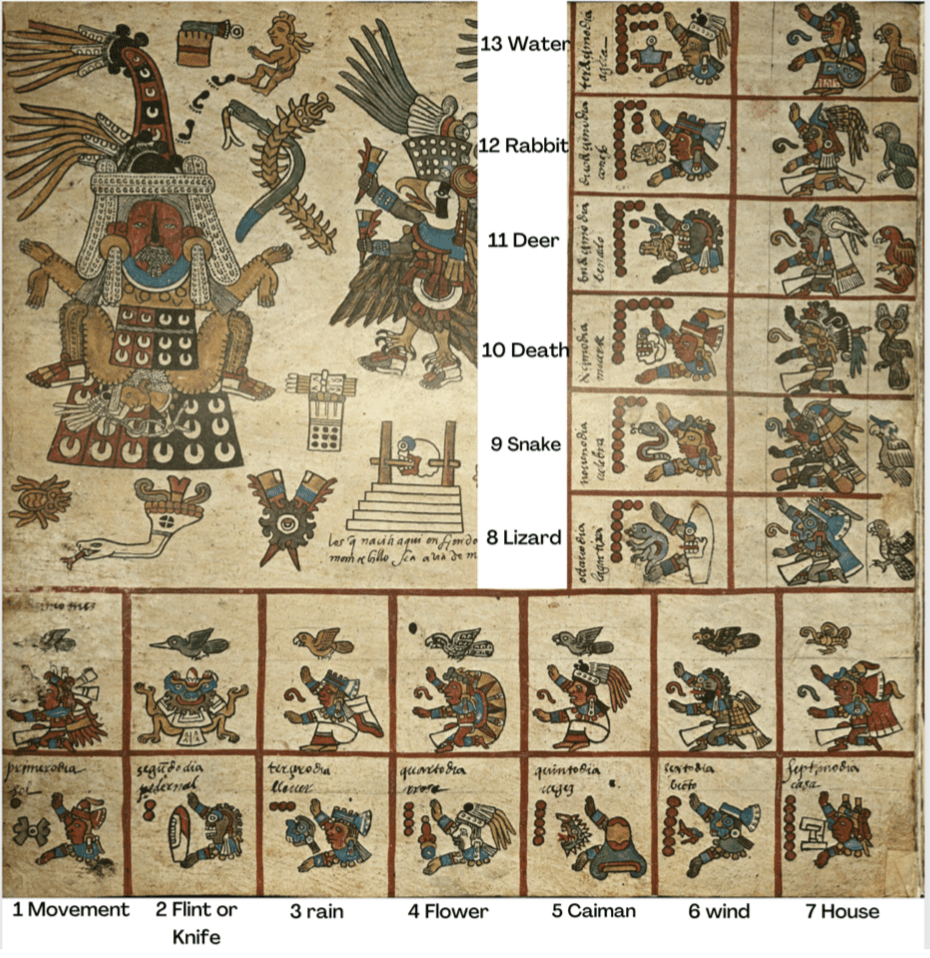
Some were born on a Day of Flint … Day 1 is Jaguar, Day 13 is Death.
The Alpha and Omega are happening now, it seems.
“The first shall be last and the last shall be first” takes on a bit of a different ring when I consider this.
Do you know if you were born on a Day of Flint?
https://en.wikipedia.org/wiki/T%C5%8Dnalp%C5%8Dhualli
Source :: https://www.facebook.com/share/1BxykEgyAE/?mibextid=wwXIfr
Scientists found 7 locations on Earth where the body repairs itself 2-4x faster. Without medicine. 🌍
And no, not mountains. Not the sea.
Romanian heart patients recover twice as fast sitting next to beehives. 🐝
Japanese autoimmune patients heal in freezing springs. ♨️
Polish hospitals send people into salt caves. 🧂
These aren’t wellness trends or spa retreats.
They’re actual locations where inflammation drops so fast that some hospitals use them instead of drugs.
A neuroecologist calls them “repair zones.”
Most doctors have never heard of them.
In 1967, a Polish researcher named Dr. Feliks Boczkowski published a study that should’ve changed medicine. 📋
He took hospital patients recovering from the same injuries and split them into two groups.
One group recovered in standard hospital rooms.
The other recovered in salt mines.
Same injuries. Same protocols. Same meds.
The only difference was the ground beneath them.
And here’s what happened.
The patients in the salt mines healed 2-3x faster. ⚡
Chronic pain dropped by 60% in some cases. Inflammation markers weren’t just lower… they plummeted. Blood pressure normalized without additional medication.
He published his findings, and other researchers got curious.
They ran similar studies in Romania. In Japan. In Austria.
By the 1980s, there were over 40 studies showing the same pattern.
Certain locations on Earth accelerate healing in ways drugs just can’t replicate.
So what did all seven locations have in common?
They weren’t spa resorts. They weren’t “healing retreats.”
They were places where the Earth’s electrical field measured 10-40x stronger than normal ground. 🌲
Salt caves in Poland where miners worked for decades.
Mineral springs in Japan where entire villages bathed daily.
Beehives in Romania (turns out bees generate crazy intense electrical fields).
Certain forests with unusually high mineral density in the soil.
For over 60 years, researchers kept documenting the same results.
Faster wound healing. Reduced inflammation. Normalized blood pressure.
Then the research just… stopped.
Funding dried up. Medical schools moved on. Nobody talks about it anymore.
Not because it didn’t work.
But think about it.
Healing people faster means fewer hospital stays. Fewer prescriptions. Less profit.
The pharmaceutical industry didn’t have to bury this research with some grand conspiracy.
They just let it fade while they built an empire managing symptoms instead of actually fixing the problem.
So what were those “repair zones” actually doing?
Here’s the thing most people don’t realize.
Your body generates electrical charge constantly. ⚡
Every heartbeat creates it.
Every muscle contraction creates it.
Hell, every thought running through your head right now is creating electrical charge.
That’s not even a metaphor. That’s actually just how the body works.
But modern life has surrounded you with materials that stop you from releasing that charge.
You’re walking around in rubber-soled shoes all day.
Standing on concrete floors at work.
Sitting in synthetic office chairs.
Sleeping in beds elevated off the ground.
Wearing polyester and nylon instead of natural fibers.
The electrical charge your body generates has nowhere to go, so it just pools in your tissues.
And when that happens, cellular repair gets disrupted.
Inflammation doesn’t just stay elevated… it becomes chronic.
Wounds take longer to heal.
Pain sticks around way longer than it should.
But in those seven locations, something different was happening.
The Earth’s electrical field there was strong enough to penetrate through shoes, through floors, even through buildings.
Which meant the people living in those areas were getting grounded 24/7 without even knowing it.
Their bodies were constantly releasing that excess electrical charge.
Inflammation stayed low. Cellular repair stayed efficient.
Not because of some special diet or lifestyle hack, but purely because of what was beneath their feet. 🌍
So here’s the obvious question.
How do we reduce inflammation when we can’t just pack up and move to a Polish salt cave?
First, you gotta understand what inflammation actually is.
It’s produced by white blood cells called neutrophils.
When a cell gets damaged, neutrophils wrap around it and release reactive oxygen species that destroy the damaged cell.
That’s supposed to happen. That’s your body working correctly.
The problem is when this process never shuts off.
That’s when inflammation becomes chronic.
And here’s what most doctors won’t tell you.
If your body is properly grounded, chronic inflammation literally can’t sustain itself.
You’re probably thinking… “Wait, grounding? Like walking barefoot outside?” 🦶
Yeah. Exactly that.
Let me break it down.
The Earth is the largest natural reservoir of free electrons on the planet.
When your bare skin makes contact with the Earth, even just for a few minutes, two things happen almost immediately.
Your body starts bleeding off that excess electrical charge that’s been fueling chronic inflammation.
And at the same time, millions of free electrons from the Earth surge into your body.
That’s why cortisol drops. Blood flow improves. And suddenly the swelling, the brain fog, the stiffness, the pain… it starts melting away.
Now you might be thinking… “Okay, so I’ll just walk outside barefoot more often.”
Good instinct.
And yeah, walking barefoot on grass or dirt or sand does ground you.
But there are some real problems with relying on that.
Most of us live in cities where the “ground” is actually concrete and asphalt, which both insulate you completely from the Earth.
A lot of lawns are treated with chemicals you really don’t want absorbing into your skin.
And nobody’s walking barefoot outside in January when it’s 20 degrees.
Plus, here’s the bigger issue.
Walking outside for 10 minutes a day won’t fix chronic inflammation that’s been building up for years.
The research shows you need hours of grounding contact to see real results.
Ideally while you’re sleeping, when your body does its deepest healing work.
And when you do walk outside barefoot, you have no idea if you’re actually grounded or not.
Dry grass isn’t conductive.
Shoes with any rubber sole insulate you completely.
Dehydrated skin has poor conductivity.
You’re basically guessing and hoping something’s happening.
That’s why the research showing grounding’s effects wasn’t done with people walking around barefoot.
It was done with grounding devices that provide consistent, measurable contact with the Earth’s electrical field.
And the results aren’t just impressive.
They’re kind of wild.
A double-blind, placebo-controlled study published in “Healthcare” showed grounding led to an almost 10x improvement in sleep quality. 😴
Another study showed a 200% drop in pain levels.
One published in “Biomedical Journal” showed an 83% reduction in chronic pain.
Another showed a 273% reduction in unhealthy blood thickness.
Plus countless others showing improvements in inflammation markers, cortisol levels, and stress response.
This isn’t fringe science or wellness woo-woo. 🔬
It’s published in actual medical journals by real PhD researchers.
I had a 72-year-old woman come see me who’d just spent three weeks at a salt cave facility in Poland.
She went there desperate.
Chronic joint pain for years. Couldn’t sleep more than 4 hours a night. Inflammation markers through the roof.
Her daughter had read about these “repair zones” online and booked the trip as a last-ditch effort.
Within 10 days, her pain had dropped by half.
She was sleeping 7 hours straight for the first time in years. 😴
Moving around without wincing every time she stood up.
When she got back to the States, I ran her bloodwork.
Her C-reactive protein (a key inflammation marker) had dropped by 60%.
But here’s what happened next.
Three months after she got home, the pain started creeping back in.
Sleep got worse again.
Inflammation markers climbed back up.
She called me, frustrated as hell.
“It worked in Poland. Why isn’t it working here?”
And that’s when it clicked for me.
She couldn’t live in a salt cave permanently.
But her body had gotten a taste of what it felt like to be electrically connected to the Earth again.
And now it was starving for it.
So I started digging into the research.
If the Earth’s electrical field in those “repair zones” was what made the difference, how do you recreate that in a normal modern home? 🏠
Turns out the breakthrough came from an unexpected place.
Silver threads woven into fabric, combined with a feature in every home that most people completely ignore.
That third hole in your electrical outlet isn’t just decoration. It’s a ground port. 🔌
It connects directly to a copper rod buried in the earth outside your home.
Every house has one. It’s required by building code.
And silver (the same conductive silver used in medical-grade equipment) can be woven directly into fabric.
Connect that fabric to the ground port, and suddenly your bed becomes electrically connected to the Earth.
Sleep on it, and your body grounds all night long… exactly like those patients in the salt caves.
I told her to try it.
She was skeptical. “A bedsheet? After I flew all the way to Poland?”
But she ordered one anyway.
Two weeks later, she called me back.
“I’m sleeping again. The pain is almost gone. I feel like I’m back in that cave.” 💬
That’s when I realized we were dealing with something medicine had completely overlooked.
By restoring her body’s natural connection to the Earth, we’d silenced the inflammation that had been choking her system for years.
All it took was plugging her body back into the Earth while she slept.
And there’s only one tool I trust in my own home for that.
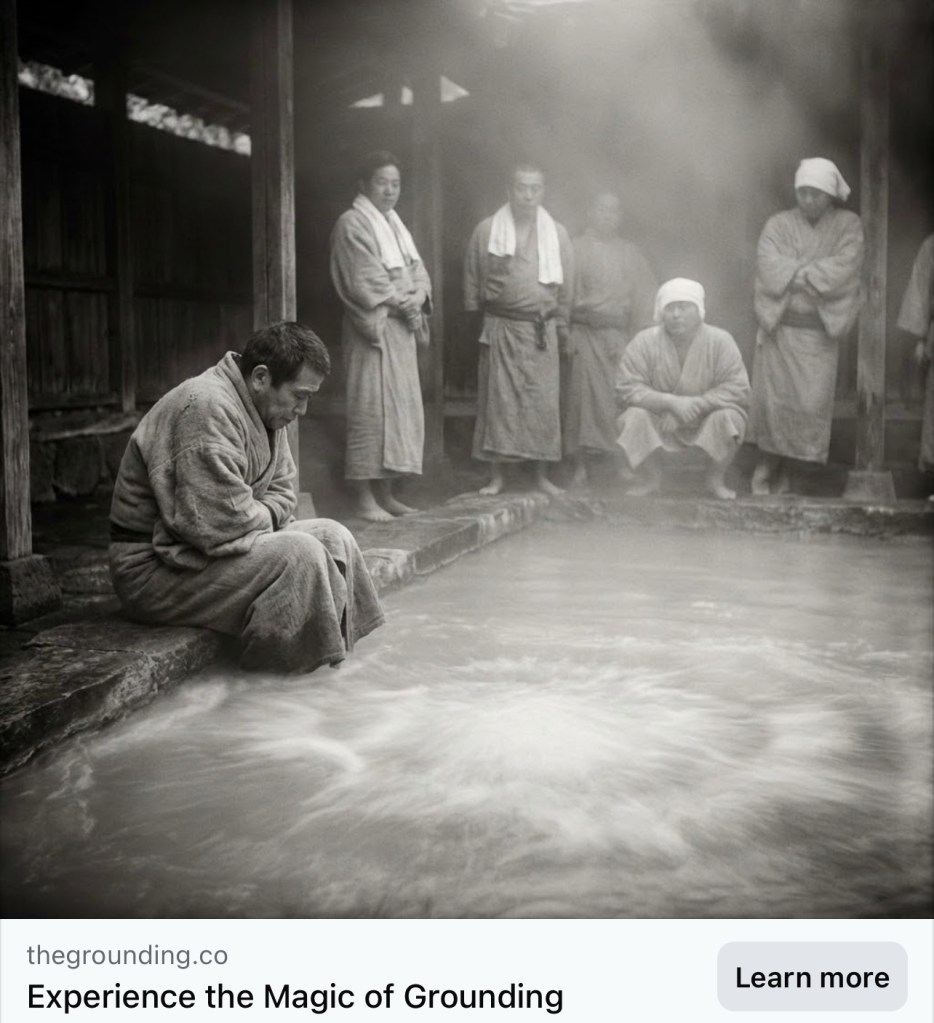
The Grounding Co Bedsheet. 🛏️
It’s woven with medical-grade 5% silver threads, and silver is the most conductive metal on Earth.
Which means the moment you lie down, your body starts absorbing the Earth’s electrons while you sleep.
That’s why even the first night of sleeping grounded can feel like flipping a switch inside your body.
Inflammation starts cooling down within hours.
Your body drops into deep, uninterrupted sleep. 😴
Blood flow returns to cold, tired legs and feet.
Circulation surges and energy starts flickering back to life. ⚡
Pain eases. Cramps soften. Joints loosen up.
Cortisol drops. Tension melts away.
Your heart gets real support, not just another band-aid. ❤️
Anxiety fades. Your whole system settles. And you feel… normal again.
It’s 100% safe and natural.
The whole setup takes less than 2 minutes.
And when you use it every night consistently, it actually works.
But I’m begging you here.
Do not just buy any random grounding sheets online. ⚠️
At our age, you know how many people are after your wallet.
Most companies either skip silver altogether or sprinkle in tiny amounts… just enough to say it’s there on the label… not nearly enough to actually do anything.
That’s what makes The Grounding Co different.
They use 5% medical-grade silver woven throughout the entire sheet.
Not just a thin coating. Not just a few threads here and there.
The whole damn thing is conductive.
Which means your whole body gets grounded all night long.
Not just your feet. Not just one arm.
Your entire system reconnects to the Earth while you sleep.
And that’s when the real healing happens.
I’ve seen people’s lives change with this.
Pain they’ve carried for years just… gone.
Sleep that’s been broken for decades suddenly restored.
Inflammation markers that doctors said would “never improve” dropping by half.
All because they plugged themselves back into the Earth.
The way our bodies were designed to function before we insulated ourselves from the planet.
So if you’re dealing with chronic pain, inflammation, poor sleep, or just that constant feeling of being “off”…
This might be the missing piece you’ve been looking for.
Not another pill. Not another supplement.
Just your body reconnecting to the Earth the way it’s supposed to.
The way it did for those people living in the “repair zones.”
The way it can for you, too.
” Let difficulty
transform you, and it will.
In my experience,
we just need help in learning
how not to run away. ” 💫
– Perma Chodron
———————————-
“Don’t power walk. Saunter slowly in the sun, eating chocolate, and carry a blanket so you can take a nap.” ~ SARK
Mantra :: This is a journey – not a sprint – so I take breaks and reward myself along the way.
———————————-
Sure, I could imagine the worse case scenario and try to prepare for it. I prefer however to use my skills of imagination, my inner vision, to generate future details which bring joy to my world. Not to say one shouldn’t be prepared.
———————————-
I can think whatever I want without interference. They don’t get to crowd my present moment any longer. So refreshing!!
———————————-
People might question how I did it, what techniques do I use. I simply reply, resilience and perseverance. Sometimes inner fortitude is all that works.
———————————-
In the forest, when all goes silent, it’s the animals waiting to determine if predator is present, or just nature doing its thing.
Similarly, when all goes silent in the world, you can be certain the real danger is near, or the true bringer of change has arrived.
Pay attention.
———————————-
Seems the norm in this world is to “challenge” people.
I’ve been called challenger and adversary, with no intention of entering the game.
I’m here for expansion and knowledge, thank you very much.
———————————-
A poem by Charlie Chaplin written on his 70th birthday on April 16, 1959:
When I started loving myself
I understood that I’m always and at any given opportunity
in the right place at the right time.
And I understood that all that happens is right –
from then on I could be calm.
Today I know: It’s called TRUST.
When I started to love myself I understood how much it can offend somebody
When I tried to force my desires on this person,
even though I knew the time is not right and the person was not ready for it,
and even though this person was me.
Today I know: It’s called LETTING GO
When I started loving myself
I could recognize that emotional pain and grief
are just warnings for me to not live against my own truth.
Today I know: It’s called AUTHENTICALLY BEING.
When I started loving myself
I stopped longing for another life
and could see that everything around me was a request to grow.
Today I know: It’s called MATURITY.
When I started loving myself
I stopped depriving myself of my free time
and stopped sketching further magnificent projects for the future.
Today I only do what’s fun and joy for me,
what I love and what makes my heart laugh,
in my own way and in my tempo.
Today I know: it’s called HONESTY.
When I started loving myself
I escaped from all what wasn’t healthy for me,
from dishes, people, things, situations
and from everything pulling me down and away from myself.
In the beginning I called it “healthy egoism”,
but today I know: it’s called SELF-LOVE.
When I started loving myself
I stopped wanting to be always right
thus I’ve been less wrong.
Today I’ve recognized: it’s called HUMBLENESS.
When I started loving myself
I refused to live further in the past
and worry about my future.
Now I live only at this moment where EVERYTHING takes place,
like this I live every day and I call it CONSCIOUSNESS.
When I started loving myself
I recognized, that my thinking
can make me miserable and sick.
When I requested for my heart forces,
my mind got an important partner.
Today I call this connection HEART WISDOM.
We do not need to fear further discussions,
conflicts and problems with ourselves and others
since even stars sometimes bang on each other
and create new worlds.
Today I know: THIS IS LIFE!

Roseanne says the Devil Ozone in the Penthouse of Thought is being removed.
No Devil Ozone ….
They’ve been evicted!!!!!
I testify their name interference of the midnight hour seems to be waning.
Fire is in my speech.
Speech is in my heart.
Heart is in me.
I Am Immortality.
Immortality rests in Brahman (the Supreme Being that underlies All of Existence).
Air is in my vital breath.
Vital breath is in my heart.
Heart is in me.
I Am Immortality.
Immortality rests in Brahman (the Supreme Being that underlies All of Existence).
Sun is in my eye.
The eye is in my heart.
Heart is in me.
I Am Immortality.
Immortality rests in Brahman (the Supreme Being that underlies All of Existence).
Moon is in my mind.
Mind is in my heart.
Heart is in me.
I Am Immortality.
Immortality rests in Brahman (the Supreme Being that underlies All of Existence).
The directions are in my ear.
The ear is in my heart.
Heart is in me.
I Am Immortality.
Immortality rests in Brahman (the Supreme Being that underlies All of Existence).
Water is in my creative fluid.
This creative Source is in my heart.
Heart is in me.
I Am Immortality.
Immortality rests in Brahman (the Supreme Being that underlies All of Existence).
Earth is in my body.
The body is in my heart.
Heart is in me.
I Am Immortality.
Immortality rests in Brahman (the Supreme Being that underlies All of Existence).
Herbs are in my hairs.
Hairs are in my heart.
Heart is in me.
I Am Immortality.
Immortality rests in Brahman (the Supreme Being that underlies All of Existence).
Senses are in my strength.
Strength is in my heart.
Heart is in me.
I Am Immortality.
Immortality rests in Brahman (the Supreme Being that underlies All of Existence).
Rain is on my head.
Head is in my heart.
Heart is in me.
I Am Immortality.
Immortality rests in Brahman (the Supreme Being that underlies All of Existence).
Splendor is in my mind.
Mind is in the heart.
Heart is in me.
I Am Immortality.
Immortality rests in Brahman (the Supreme Being that underlies All of Existence).
Self is in my Self.
Self is in the heart.
Heart is in me.
I Am Immortality.
Immortality rests in Brahman (the Supreme Being that underlies All of Existence).
Again and again
I go to my Self
Again I beseech the Self
To bestow long life
And strong Prana
To let the Fire
And the Light grow
To let the digestion be well
So the protections of
Immortality may be
Well established in us.
Heart is in me.
I Am in Immortality.
Immortality rests in Brahman (the Supreme Being that underlies All of Existence).
Heart is in me.
I Am in Immortality.
Immortality rests in Brahman (the Supreme Being that underlies All of Existence).
A reading from the 13 Original Clan Mothers by Jamie Sams
What people don’t realize is that some people are single in this generation because they are healed, which makes them incompatible with trauma bonds.
Unfortunately, trauma bonds are the template of our culture at this time.
Those who choose peace over trauma will have difficulty in relationships because most people that we meet are emotionally damaged in some way.
Healed people seek healthy bonds. These bonds hold space for authenticity and correction. It’s kind of like an oxymoron.
About 90% of the relationships/marriages that we see are actually trauma bonds. Those involved “need” the other person to make them feel whole because they’re both broken mentally, emotionally and/or spiritually.
Let that sink in for a moment…
With so much love,
Unknown
(Image credit: Ben Smith)
 opensenseme