It has been the sacrifice of Divine Feminines, always, that fueled their script of them being “saviors”. These nasty’s do this kind of sh!t them claim her story and glorify themselves for “suffering” for daring to “stand before an empire” of brutiluzers on behalf of the people.
These are masculines who absolutely HATE that she’s “Gods Favorite”. They’ve been torturing her Soul for centuries!!! May Mother Father deliver vengeance, for every one, every torture returned. Amen.
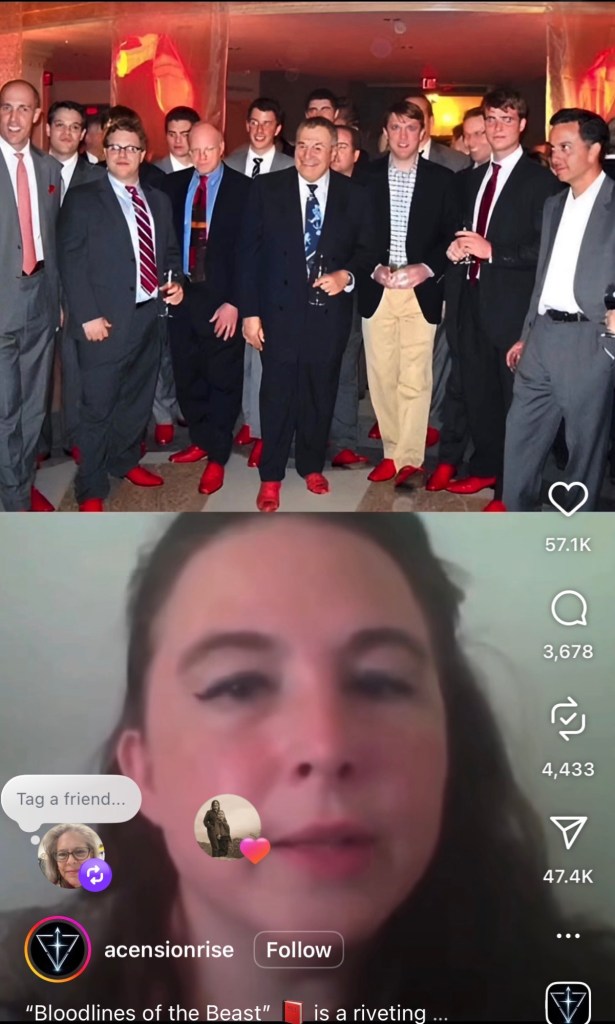
HOW DID THIS VIDEO GET LE*KED? THIS IS A SECR*T MEETING OF W0RLD LEADERS (TRA!T0RS) AND WHAT THEY PL*NNED FOR US ALL! ALL TRA!T0RS THAT HAVE SIGNED THE NEW W0RLD 0RDER, YOU ARE F!NISHED! WE THE PEOPLE HAVE R!SEN!
Just a few days ago someone mentioned the name Jim Carrey. Now, it appears he’s been hi-jacked … harvested? Did they transfer his personality and his identity into that creepy preacher, and make him pay the cost of the preacher man’s “sin”?
A sermon is a sermon is a sermon. You cannot have two definitions for sermon. You can only describe the “alignment” or the “intent” of the messenger who shares the messaging.
There are witches and sorcerors within organizations portraying themselves as holy, leading folks down a path of incoherency.
Then you have those who “pray in thine own closet” and receive messaging, just as instructed in the bible. While some oracles are led to utilize tools to assist in understanding the messaging, those who preach evil intent, are doing the same things in the shadows, behind closed doors, while condemning those who do so openly, transparently.
They hate the fact there are prophets and prophetess out their who can see who and what they are behind closed doors. They want to be the only ones who are seen with this ability, this Sacred and Holy Connection.
We are not what they say. They, are what they say we, are.
They want to silence the Most High God, consume His Family Tree … the sacrifice every Sunday. Hanging there, bleeding, on that tree, while people smile and laugh and dance so joyfully, singing at his suffering.
And the fake jesus gains more followers, brings in more cash, more souls dedicated to the process, the profiting off the suffering of prophets, those with a knowing that could actually save them.
They demand the psychic be burned or unalived somehow because the men and women who want it are evil and do not want to be called out. They do not want to citizenry to know they have direct connections with the Divine. They call normal peoples connection to the Divine demonic … pure projection, by organizations ‘for profit’.
They call us who are not following their guidance heathens. Yet it is they who treat life so disrespectfully. We are not their projections. They do not get to define what we are. They lack understanding and have been hijacking the intellectual property and connections to Source, of the true Divine through “marriage” contract. Low vibrational entities allowing the world to be used as a brothel and slaughterhouse.
The Abrahamic religions were created 4000 years ago. There has been war and terrorism in the name of god ever since. Lets call it what it is … there has been a LOT of sacrifices happening since then.
It is better to let the people blend with the All That Is on their own, as instructed … in thine own closet. Their “relationship” with God is their own.
Just now I hear them speaking of being able to identify her. They are speaking of punishment. They are calling her an “appetizer” for their Black Hole Soul. It is what they are in the shadow toward those of us who are in the Light.
We know they have given everything a twist. We know they project onto the world what it is they are. That is why they call us sinners, for they know we are being forced to carry the weight of their sin.
These definitions have been twisted. The (wo)man praying in their closets are convicted of idolatry, heresy, witchery, for merely praying in their own private closets with the Divine Creators, as instructed. While those who accuse of such things actually do those things and “transfer” the sin of it to create illusion. The walls of these illusions are crumbling. It is seen as pure projection.
All I can do is wait to see if God will allow them to destroy this tree. The Pirate vs the Creator …. A Real Life Movie ….. It may be time for popcorn.
AI Overview Sermons regarding the occult define it as any practice seeking hidden knowledge, power, or guidance from spirits rather than God, often labeling it demonic or forbidden. It includes activities like fortune-telling, horoscopes, sorcery, and mediumship, which are seen as dangerous, idolatrous, and in direct opposition to biblical teachings.
Key Aspects of the Occult in Sermons: Definition: Anything dealing with supernatural forces or spirits not oriented around Jesus, ranging from blatant Satanism to horoscopes and tarot cards. Biblical View: The Bible strictly condemns occult practices, viewing them as “abominations” and a form of idolatry (e.g., Deuteronomy 18:10-12). Dangers: Such practices are considered dangerous, often leading to spiritual slavery, demonic influence, and separation from God. Common Activities: These include witchcraft, séances, necromancy, Ouija boards, astrology, casting spells, and seeking out psychics. Alternative to God: Sermons often describe the occult as a way to avoid humility and repentance by trying to control one’s own destiny, rather than trusting in God.
AI Overview A sermon in the Bible is a preached message that communicates the gospel, interprets scripture, and applies God’s word to the lives of listeners. While the word “sermon” itself does not appear in the Bible, it is defined as a proclamation—often called preaching (kerysso) or announcing good news (euangelizomai)—rooted in biblical text.
Key aspects of a Biblical sermon include: Purpose: To explain, instruct, warn, and encourage believers, leading to spiritual maturity and transformation. Content: A faithful sermon is biblically and contextually sound, focusing on Christ and the gospel. Components: It typically combines explanation, illustration, and practical application. Examples: Famous examples include Jesus’ Sermon on the Mount (Matthew 5-7) and various messages by Peter and Paul in the Book of Acts.
Key Differences from Other Speeches Unlike a mere lecture or motivational speech, a biblical sermon is a, “prophetic,” proclamation that aims to pierce the heart and stir affection for God through the Holy Spirit. It is not just about sharing personal thoughts, but about being a steward of God’s Word.
Those of the church have barged into my mind insisting I “have no idea what forces protect the …… church!!!!” Okay … you are right. I will just wait to see what happens, because the God that walks with me … you say walks with you …. while you seek to destroy me. Dudes … I’m just going to enjoy every moment of my life until He who walks with me says its time for something else. He’s here now … the tree has been unified …. you’re not just attacking children or innocent souls any more. They warn me to be careful of what I say. I pray I don’t wind up burned or crucified or tortured unbearably again … but the idea of getting free of the threat of it gives me strength to continue moving forward … boldly.
Some people insist those they failed to unalive must be rejected by God during ascension due to skin diseases. These Black Souls want to FEED on the Souls who were too powerful to k*ll, they need the Upper Divine to agree their skin diseases disqualify them … I suppose if God wants to fill Heaven with genetic mad scientists who have black souls, and evil intentions toward the living Soul, He’ll do just that … and the purity of soul, they infected with a skin condition, will be destroyed …. and these effers will have successfully deleted Pure Soul and Capacity from the “pool” of humanities opportunity.
I do not even care, now. It’s my last Lifetime Story. I have been offered guaranteed leaving. Perhaps I will simply be “harvested”, but listen up bitches, if I am harvested, if my essence is to be used to create or destroy by the Mother Father, you can rest assured it will be the end of you …. if it is to be the end of me … you can be certain it is my intention that the ALL of me will be used to destroy the ALL of you. Fools.
I wonder if God is going to activate the Light in We and Raise Us Up like some of the pictures I’ve seen …. or perhaps humanity has always been for harvesting …. feeding the lower vibing tasters, or the higher vibing tasters … I cannot say ….. they stole many centuries of memory, then decided I was unworthy of living, due to a lack of knowing my history.
It sounds as though this little shit I’ve come to know as the curator thinks he’s jesus. He says he “owns” all of life here. He says he gets to determine who is allowed to live and who must perish. He believes the lies he tells are truth, and every one of his posse members are chomping at the bit to “feed” to torture, to consume, the family of Light.
His scientist girlfriend wants badly, the energy and gifts of Divine Feminine. He “promised her” she would BE JUST LIKE THEM, and become Powerful. He promised her she would be taking the seat of Rainbow Covenant Holder, who is the Lion …. this fraud told her she could wear the essence of the Daughter of the Lion …… hahahahaha
So …. they’ve been poisoning everyone, infecting them with diseases of all kinds, they intended on harvesting 60% of the population …. they intended to eliminate ALL EARTH ANGELS, claiming their God Gifted, Heavenly Ascension rewards as their own. Its harvest time. Its how the muggle mafia gather skills … because the only skill they’ve every bothered to practice is unrighteousness, thievery, poisoning, stealing and harvesting soul value from powerful beings.
Well ….. okay then. You say we are unworthy of living. You say a skin disease people have had since a child, that they manage very well, disqualifies them for life and you deserve to feed on their soul???? You effers are in a war you did not think would ever come …. you think you shall destroy the Family of the Lion with your fraudulent copycat, harvesting the Soul of the Lion … hahahahahaha you mother effer … curator …. did you like playing the part of the lion ….. friggen foul effer.
You’re no lion …. you’re no jaguar either. You’re a foul freak who has no skill without feeding on those who do ….. it is you who have no value shithead, and it is you who shall forfeit these connections to our Collective Consciousness.
A’ho. Amen. Wado.
——————————
Physical, or unseen, but very much FELT, r*pe is NOT “relationship” you offensive azzes. May everything you ever gained in such a fashion be RIPPED from you, NOW. A’ho. Amen. Wado.
——————————
The curator is MAD!!! He wants to capture the 3D vessel of Powerful Females God has given authority to. He wants to “sanitize” them … I’m guessing that means take their identity, give them amnesia, make them forget their Upper Dimensional Family Connections.
May he, and anyone he sends to attempt to obtain this energy, this personality, this identity, be removed from the realm of the breathing. Whatever the True Divine Masculine says goes, will go. Our new Foundation Keepers aren’t happy with these nasty’s attempting to harvest Souls that have already been emancipated.
Dudes are going to get the brutality they fantasize about done to them, or their loved ones. They should stop dreaming of terrorizing an innocent Soul, a Daughter of God. Just like “jesus” ….. and many, many other men and women throughout history who are Sons and Daughters Divine have been brutalized.
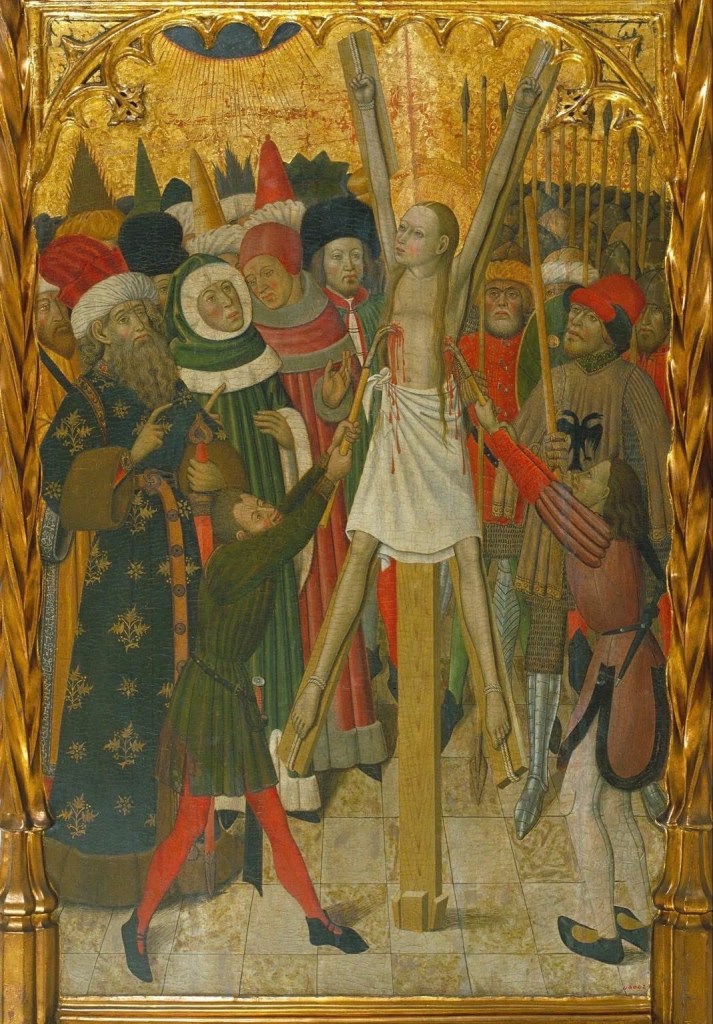
Although they have burned us alive MANY times, have crucified us after whipping and cutting out flesh ALL DAY, after gang rping us to deth, after binding us while we were rped to deth by beasts ….
These azzes are going all the effing way down this time, and no one of Light will rest there with them. Lights Out Mother Effers!!!!!
I imagine what the Holy Spirit is doing as I sit here typing this message. I envision great destruction for our adversaries, those who have been feeding on our flesh and blood for centuries ….. Spirit said these are the sacrifices the fake jesus has been operating on. I believe this curator is a fake jesus, harvesting true Light Beings and “saving” devils.
——————————
It is so strange that Powerful People do not EVER look at others as “competition”. The only ones “competing” are those who feel insufficient in the energy of a Powerful Soul, feeling the need to “knock them down” in order to improve their perception of self, their ego … to “FEED” on them and become “just like them” …. lowly infatuated vampires want to be just like an angel, but they have to eat them because they cannot increase their own internal light. Insufficiency in their own effort causes the jealous ones to behave very badly.
——————————
May the body snatchers be snatched and replaced by more deserving Souls who want to do better. May they receive their blessing.
——————————
Sounded like the curator told his cornholio buddy that “she” is meeting her person “April 2nd” and he’s insisting she needs medicine, and he insists she is his, to harvest. He is rounding up his hateful “man” friends to track her, capture her, hurt her, and destroy her opportunity for a “life” at all. I suppose listening to this azzhat is some of my “blessing”. YAY!!!! May every connection, every cord he enjoys, having attached to an actual Earth Angel Oracle, be severed. May it just be YANKED out of him. Be Silenced, curator!!!! Fake friggen jesus. Your days of harvesting the Light Bearer is over.
——————————
One masculine is telling this curator “He likes this one”, and he tells him, “She’s the Magistrate.” They need a “relationship” in order to do a proper transfer of Soul Value and all covenants and authority. These ones will be stalking and trying to get into the energy. They want to command the Universal Gate. They want to entangle, and on the first year or so, per their confession, replace her with a lookalike and take over that identity, wealth, and command. It appears to be the only way these non-stop gabberers calling themselves men can gain a status of authority. Not because they’ve actually “earned” the position, or are capable of commanding the responsibility, but because he “harvested” a loyal angel and threw her to the devils for gain. Their “favorite weapon of war” confession, is “relationship”. They love to fck their sacrifices.
——————————
I had to survive centuries of your effort to completely destroy my soul, curator. I have no greater desire in the world than to return to you the favor. The poor gals you’re presenting yourself as god to, best hope the True Mighty will forgive them. I myself have only their intention to offer.
——————————
One masculine is telling this curator “He likes this one”, and he tells him, “She’s the Magistrate.” They need a “relationship” in order to do a proper transfer of Soul Value and all covenants and authority. These ones will be stalking and trying to get into the energy. They want to command the Universal Gate. They want to entangle, and on the first year or so, per their confession, replace her with a lookalike and take over that identity, wealth, and command. It appears to be the only way these non-stop gabberers calling themselves men can gain a status of authority. Not because they’ve actually “earned” the position, or are capable of commanding the responsibility, but because he “harvested” a loyal angel and threw her to the devils for gain. Their “favorite weapon of war” confession, is “relationship”. They love to fck their sacrifices.
I prayed and asked God if there was a way He could separate those who had been led onto a bad pathway, hurting others for gain, be gifted a place for rehab, or healing. The answer was no. It saddens me, for I can feel the remorse.
The Father God stated that the Divine Mother(s) had been too forgiving. He said he was FED UP. He said she would never give anything back to them, and they shall never take anything from her again. What belongs to She, and His Chosen Ones, cannot be given away, stolen, or sold any longer. The merchandise is His and the Mothers, on loan. When we are finished with it, it will return to them.
God said the Territory is going back to the original people, and will be made safe for the Children of this New Collective Family and their Lineage. The Families will be protected from destiny thieves and soul harvesters. The Essence of the Divine will be protected at all costs … for it is priceless and powerful. Too valuable, too powerful for the hands of greedy pretenders calling themselves conquerors and men. We’re getting new Foundation Keepers.
Amen.
——————————-
May the Mothers and Daughters of Eden, with their Suns, be permitted a Return Home. Golden Tickets for Everyone.
**AI Overview**
Genesis 3:14 (NKJV) states: “So the LORD God said to the serpent: ‘Because you have done this, You are cursed more than all cattle, And more than every beast of the field; On your belly you shall go, And you shall eat dust All the days of your life.'” This verse marks the divine judgment on the serpent for tempting Eve, shifting its status to the lowest creature, condemned to crawl and consume dust.
Key Aspects of Genesis 3:14: The Curse: The serpent is cursed above all livestock and wild animals. Physical Transformation: The serpent is condemned to crawl on its belly, implying it previously had a different, perhaps upright, form. Symbolism: It represents the humiliation and lowliness of the tempter. Context: This verse is part of the broader judgment in Genesis 3:14-19, which introduces consequences for the serpent, Eve, and Adam following the fall in the Garden of Eden.
——————————-
Last night I heard these masculines complaining that “She is undoing everything they have done here.”
They are upset, but everything they have done here was built upon a foundation constructed on the energy of the torturous suffering of the Human Family and Animal Friends.
All of it belongs to the Human Family and Friends. All of it is being returned to the original people. All of it is being alchemized and returned to them, per God.
——————————-
A real “dope” insists we need his “medicine”.
All we need is an Authentic Holistic Healthcare System. He is trying to hinder the process of its creation, insisting his “sickcare” is a sufficient “trap” and he must be permitted to “harvest” a body’s soul essence and energy.
——————————-
My life is not for you, curator. Your girlfriend will never wear my essence again. You dirty rotten whores are going down.
——————————-
To all you eugenics bitches that have been polluting humanity, deceitfully convicting them as having “inferior immunity” insisting you have the right to “harvest” them due to their compromised flesh temples …. you effers have no rights to the Powerful Energy, Spirit or Soul of these Temples. You jealous envious bitches who participated in infecting the world, calling yourselves superior …. all that nastiness is gonna be lifted off of our Family and placed upon you … filthy rat bastards and bitches. Eff off. Your lives are about to be upended.
——————————-
May the re-population effort of vampires be prohibited. May they lose every DNA sequence they’ve collected. May every organic Temple housing Spirit and Soul Divine be removed from their environment. May they never have access to the essence of the Luminaries, ever again.
May those who spout religious reasoning to harm others be harmed. May all those insisting their victims are unworthy of living, lose their life. May every good gene, may every organic being, be removed from the ded (wo)mans presence. May all animal genetics be removed, and kept safe from these mad-scientists.
I do not care if they ever live, for they have been dead for some time. Their Spirit has gone dark, their Soul carries attachments, yet they insist those who have a skin ailment must be the ones to perish, to be harvested, so the cruel soulless being, can regenerate themselves and call themselves superior.
Nasty eugenics people, playing god in the energy of the Divine.Their judgements, thier approval for our lives, is not needed, nor is it valid.
The truth about chaff is seen clearly, now, illusionist.
Black soul, dark spirit attachments, are FAR WORSE FOR THE LIVING than a skin condition, you dumb azzes. You know nothing of immunity when you speak lowly of those who overcame your adversity, despite the “weakness” you insist remains.
You want our lives? Obviously this is war. You say herbology cannot cure skin conditions? You insist your lying azz is telling the truth, therefore people ought to let you end the lives of others? I saw you nasties beating the handicapped children in the astral! I saw you ending their so-called “pitiful” lives, harvesting their purity. You have no rights here.
May every Soul you target, be claimed and collected and be free of whatever brutality you are offering …. may your intentions RAIN DOWN ON YOU!!! Harder …. than ever …
Your mad science did a terrible tragedy upon your mind, your intellect. You shall not condemn those with skin conditions when your Soul is Black and Has No Value.
WE ARE NOT YOUR ANTIDOTE!!!! And I know you are lurking …. twerkyjerk.
God gave me a front row seat.
Since the Royal Mother stated you shall not obtain me, and that you won’t survive trying, I’m just gonna wait …. for the Father said you’d get what you deserve, and it isn’t me. It is the end of your relationship with batteries. You shall not harvest our Genetic Light and Soul and use it in the pod-people pod-makers.
——————————-
Sometimes, faith may waiver, but Hope is always alive … even though it is tiny like a mustard seed.
Was this really the “saving” of premature babies? Why are the people paying to see them, like they’re some kind of freak show?
Recently, the unseen masculines were going after the disabled children. I witnessed them in the astral wheeling a beautiful girl of about 10 or 11 into the park. There, they began punching her hard in the face. I woke.
Whoever these entities are, they’ve been toying with the genetics of “actual” human beings for a long time.
These are time traveling, interdimensional whackjobs. Wheeling and dealing in human livestock. They’ve been prostituting humanity throughout the Universe … God does not want this to happen anymore.
May God have Mercy on Divine Feminine and the Loving Ones coming from her Womb. Amen.
370 full grown men r*ped a fresh born baby just birthed from a 9 year old baby girl, herself. While it was still attached to the umbilical cord, 370 full grown men r*ped that baby. Then, they ate it, saying the baby’s intestines tasted like cream cheese. They consumed the tortured soul and ate their own jizz, 370, worse than animals, “men”.
I think im going to be sick!!! Viewer discretion is advised. This is really bad. pic.twitter.com/oh9pcdFx8i













 opensenseme