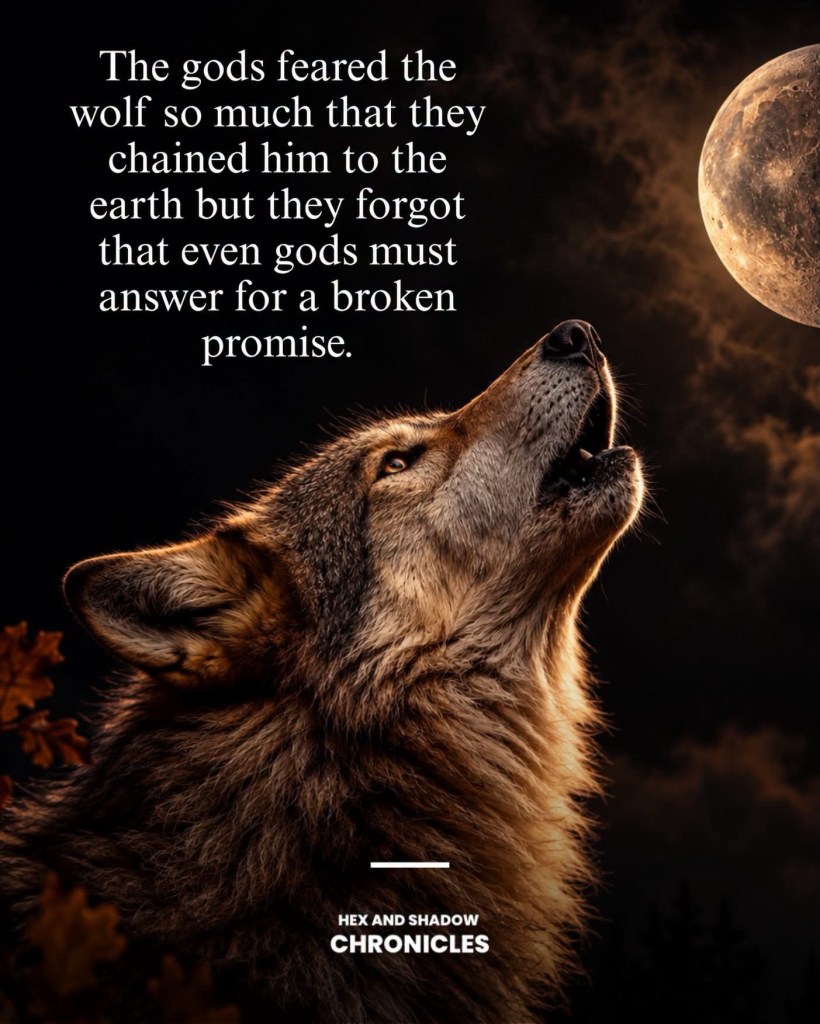
In Norse mythology, there was a wolf so terrifying that the gods believed his very existence threatened the world.
His name was Fenrir.
Born to Loki and the giantess Angrboỗa, Fenrir was raised among the gods of Asgard. But as the young wolf grew, so did their fear.
Prophecies warned that he would one day bring destruction to the gods themselves.
Only the god Týr had the courage to approach him and feed him.
The others began plotting how to bind him.
First, they brought Fenrir a mighty chain called Læningr, challenging him to test his strength.
The wolf broke it.
Then came Drómi, a chain twice as powerful. He shattered that too.
Finally, the gods turned to the dwarves, who fashioned Gleipnir, a binding made from six impossible things, including the sound of a cat’s footsteps and the roots of a mountain.
It looked like nothing more than a delicate ribbon, Fenrir was no fool.
He suspected deception and demanded that one of the gods place a hand inside his mouth as a promise of good faith.
Only Týr stepped forward.
When Fenrir discovered he could not escape, he bit down, taking Týr’s hand.
The gods had succeeded but their victory came at the cost of a broken trust.
Bound until Ragnarök, Fenrir would eventually break free and fulfil the prophecy the gods had feared all along, swallowing Odin during the final battle and maybe that is what makes his story so haunting.
Fenrir was feared for what he might become, restrained before he had committed the destruction foretold of him.
The gods believed they were protecting their world but the wolf experienced their protection as betrayal.
His story leaves us with an uncomfortable thought.
Sometimes, in trying desperately to prevent a terrible future, we help create the very thing we fear.
Some unseen male is instructing others to “do what they can with the rest of their time” to … blah blah … they despise that the Feminine Rise, supported in the extreme by New, Masculine Foundation Keepers Divine. Someone told me a number of years ago that “the higher you go, the scarier the boogeyman gets.” I think the old “boogeymen” have discovered this truth.
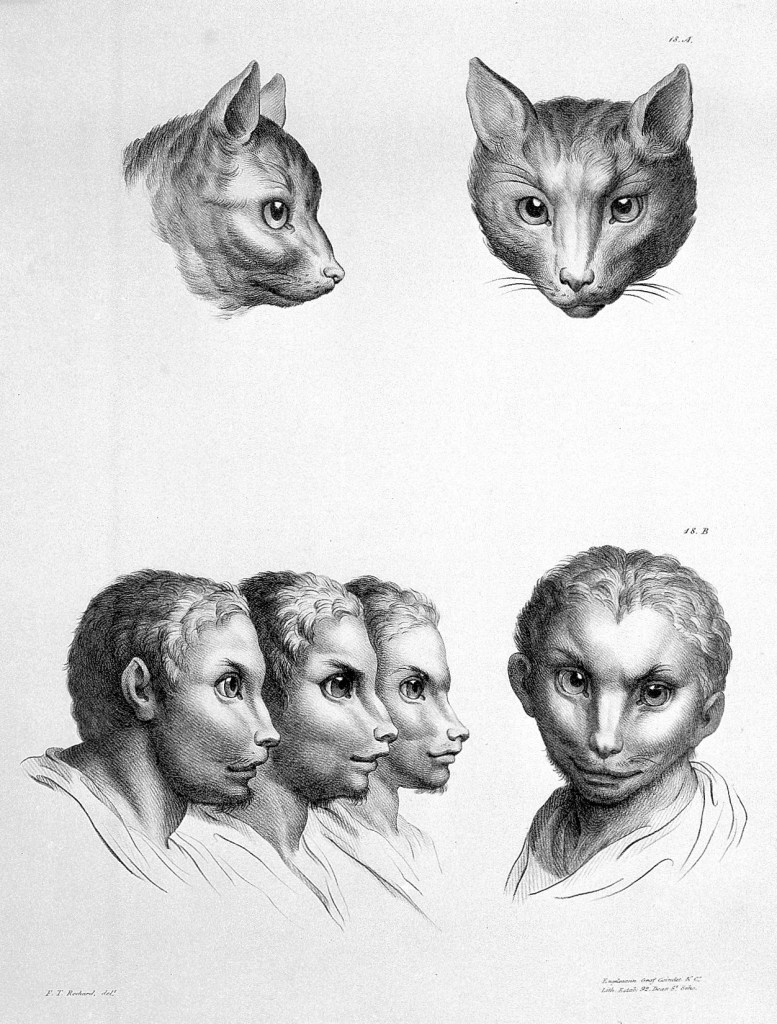
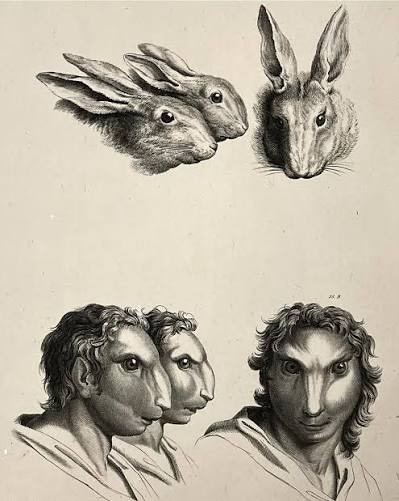
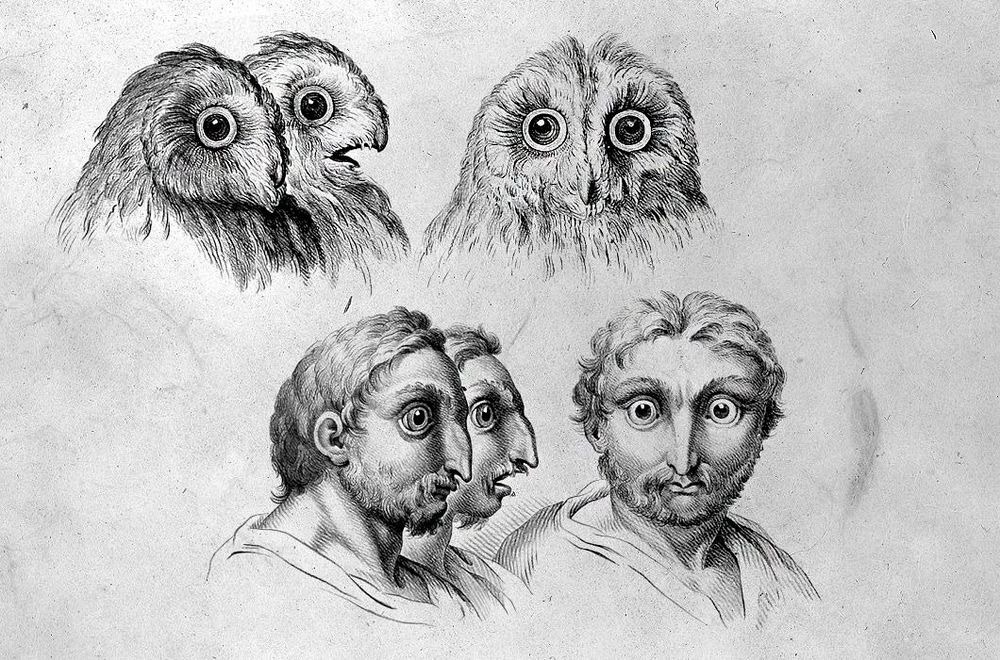
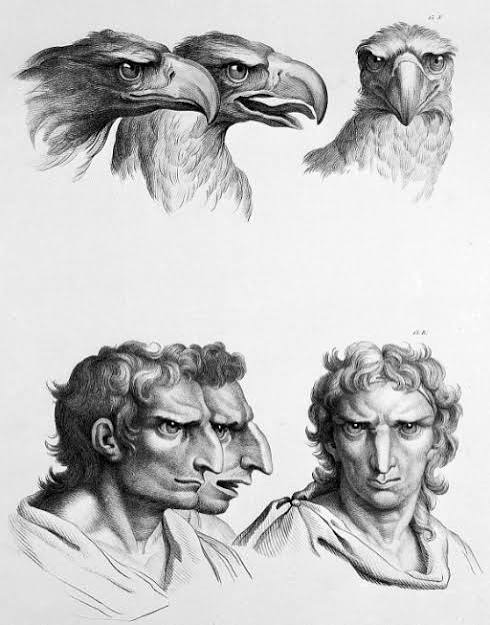
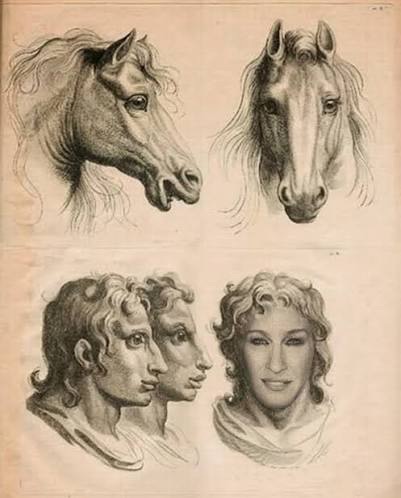
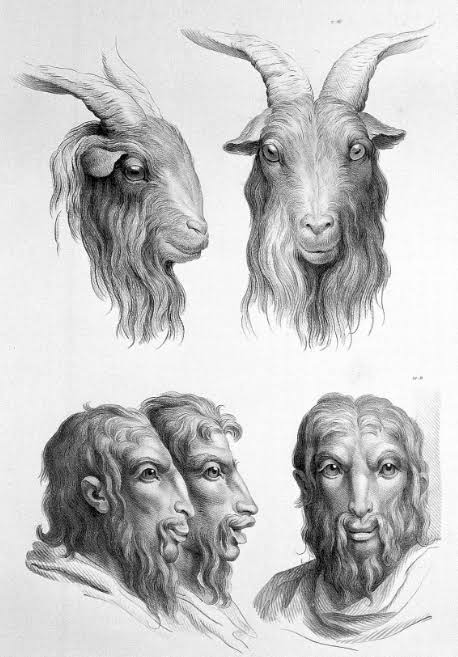
I Am Grateful, on behalf of the Humanity in us all. There are many “humans” among us who had been given a genetic, beastly twist.
The Creator has stated all humans are being claimed. There will be New Containers supplied for all, dependent upon their “beastly twist”.
Please remember in this next phase, the “animals” are human too, just at a different % percentage. They feel, they cry, they may be at a 5yo mentality, a 10yo mentality, some even greater … many “animals” aren’t “beasts” to be slaughtered, harvested, eaten, they are here to mature, advance, evolve, just as we, and it is OUR job and 90% or greater, to remember the humanity in ourselves, but also in those who were given a “different container.”
Animal Speaks … a little book regarding animal communication. We are coming back on-line, organic telepathy. These other species beings are the children of our very own genetic and species.
If we can remember, there is a percentage of “human” in them all, in process of evolving, to become greater than they were before, proven by their own familial loyalties, maybe we’ll take better care of the flesh housing their SOL.
Perhaps we’ll find more “humane” ways to sustain our own life, without causing suffering for all, or any one species, designated as “food”.
A male just stated it’s “natural” for women to “compete”. He suggested we look at the Lion’s Pride. The male lays around, while the females compete.
Why couldn’t I be a Jaguar, or a Cheetah? Don’t Jaguars mate for Life?
Xvcrgferxtyon … competition is over-rated … especially in a “pride” … no thank you.
Lay-off with the polygamy hogwash bullshite!!!
“Always been natures way”, he says. Then again, he’s talking about truth, and how it’s different for everyone.
Lion …. I’m not competing.
They say the “pride” needs a Lion … the “Lion” doesn’t need the pride.
WTF ….
Ooohhhh …. Now I’m being told the Lion is only “chosen” by the Pride because he’s the strongest, most capable of protecting the children.
Apparently, the ladies go off in the outskirts and make themselves available for a roll in the hay by the outskirts lions, genetic mixup.
As soon as the chosen Lion attacks a cub or kills it, or can no longer provide protection, he gets his azz handed to him, and perhaps gets evicted.
The ladies may choose another Lion from the outskirts.
The Lion is the protector, seeming King, but the Ladies seem to work as a matriarchy, who “chooses” who to mate with, and it’s not always the King Lion.
The conversations we have with Spiritual Men … oh goodness.
I’m like, why can’t I be a cheetah?!?! 1500 psi bite pressure and a fast paced run sounds great!!!
Apparently, the advice is, to stop looking to “man’s world” and “look to nature”.
I tell you, waking, and hearing first thing this curator and his deep voiced guide, plotting on the elimination of the presence of Divine Feminine. It’s disturbing that this rhetoric is flooding the field of consciousness. The children of the future deserve a “clear” collective mental field.
Want to degrade the “miracle” my repeated efforts provided? You want to say my try, try, try again “attitude” is unworthy, and that my successes are just chance?
You want to strip me of my life and opportunity to live it, while reaping the reward and benefit of my work?
May you receive every foul deed you are plotting against we.
Every ounce of this energy, every stubborn bit of will that I have cultivated, will enwrap, magnetize, and empower the intention, and skillful will of my Kingdom Spouse.
You, waking me with ridiculousness, your opportunity to Eff with the mind of our family’s children, WILL come to a close. You offer our future no value.
May Mother Father, Creators of All that is, support and permit your swift elimination from this realm.
Our family deserves peace.
They’ve been at war with haters unknown, demanding a feud, or “competion” for far too long. We don’t even remember who you are, Jack-o. We just want to forget, fully, your energy and presence existence.
We want to be free to live the love the beauty the Divine has seeded into our Soul. We want you to stop feeding on us., replacing our inner wealth with your foul deeds.
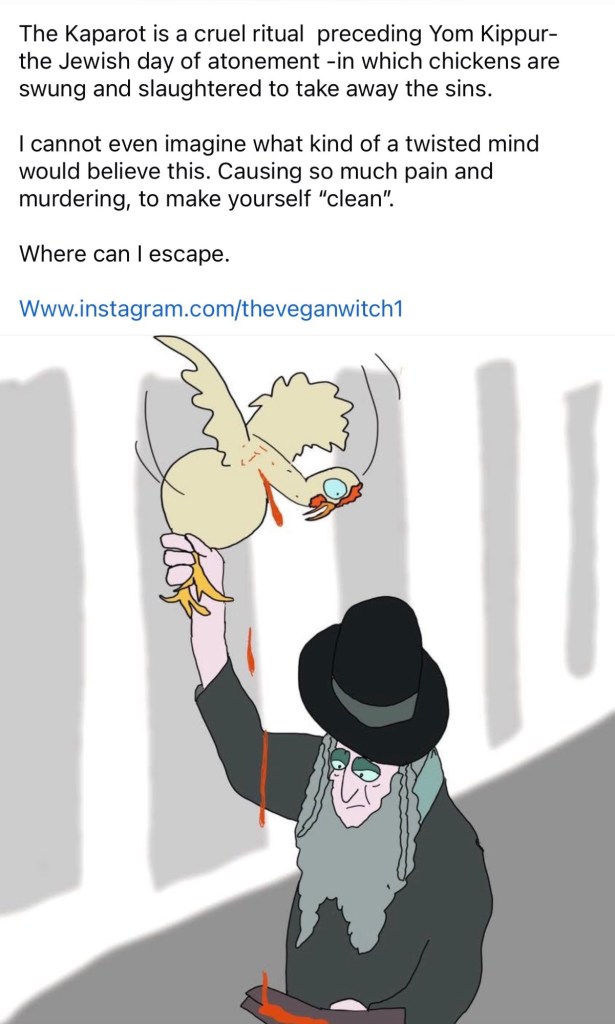
Kaparot (or Kapparot) must end.
Aho. Amen. Wado.
————————————-
**AI Overview**
Kaparot (or Kapparos) is a traditional Jewish atonement ritual, often performed by Orthodox Jews on the eve of Yom Kippur, involving swinging a live rooster (or money) over one’s head while reciting prayers, symbolizing the transfer of sins to the bird, which is then slaughtered and donated to charity, though many modern rabbis encourage using money instead for ethical and practical reasons. The word means “atonements,” and the practice seeks to symbolically cleanse sins before the Day of Atonement.
How it works
With a Chicken: A person gently swings a live rooster over their head three times while reciting specific prayers, asking for sins to be transferred to the bird.
With Money: Alternatively, money (often in multiples of 18, representing “life”) is swung over the head with similar prayers, with the money then donated as charity.
The Ritual’s Purpose: The rooster is then humanely slaughtered (or the money donated), with the belief that God will transfer harsh decrees intended for the person to the bird (or the charity) in the merit of this mitzvah (good deed).
Controversy and alternatives
Rabbinic Opposition: The practice is controversial, with strong rabbinic opposition due to concerns about animal cruelty and potential superstitious origins.
Modern Alternatives: Many religious leaders encourage using money instead of chickens as a more effective and humane form of atonement, giving the value to the poor or charity.
Key takeaways
Timing: Performed just before Yom Kippur.
Meaning: Symbolic transfer of sins for atonement.
Alternatives: Money is a common modern replacement for the chicken.
He walked three miles into the forest to check a report about a starving animal. But the moment he reached for his water bottle to help the dog, he finally understood why it had never made a single sound ❤️🩹🐾
Officer Bennett thought he had seen the worst of humanity during his fifteen years on the job. Nothing surprised him anymore. At least that is what he believed.
A hiker had called about a living skeleton deep inside the state forest. Bennett and his partner pushed through thick brush and tangled branches, far from any marked trails. When they stepped into a small clearing, they froze.
A dog lay there, so thin his ribs looked like they could break through his skin. He was chained to a massive pine tree, too weak to stand. The ground around him had been scratched bare, every trace of soil gone from days of pacing until he no longer had the strength to move.
Bennett rushed forward, lifting his water bottle, ready for a growl or a frightened cry. But the forest stayed silent. Completely silent.
Then Bennett knelt beside him. And the truth hit like a punch to the chest.
The chain was not the worst part. Someone had wrapped thick rusty baling wire tightly around the dogs muzzle, layer after layer, cutting into his flesh and sealing his mouth completely shut. He had not made a sound because he physically could not.
Bennett swallowed hard as anger and heartbreak collided. They did not just leave him out here. They made sure no one would ever hear him crying for help.
With shaking hands he used his multi tool to cut through the wire. He braced himself for fear or panic. Instead, the moment the wire fell away, the dog gently rested his head against Bennett’s chest and closed his eyes as if he finally knew he was safe ❤️🐶
They carried him out of the forest that same afternoon. The vets call him Survivor now. And Bennett has already submitted the adoption papers so this brave boy will never be hurt again. Not ever.
I almost let a teenage girl freeze to death on Thanksgiving Eve because of a stupid sign I hung on my own wall.
NO LOITERING. NO SLEEPING. NO PETS.
I run a 24-hour laundromat in Chicago—where winter doesn’t show mercy, and if you show too much, your business turns into a free hostel. I’ve learned the hard way that if I let one person nap on a folding table, by sunrise I’ve got a whole encampment of them.
Rules keep the doors open.
Or at least, that’s what I told myself.
Last Wednesday, the wind was doing that sideways snow thing, the kind that slaps your face even when you’re indoors. I was in the back, grumbling about mopping floors instead of being home with my wife’s turkey, when the door chimed.
A girl walked in. Seventeen, maybe. Thin as a coat hanger. Hoodie soaked. Sneakers squishing with each step.
And beside her?
A monster.
At least, that’s what I thought.
A massive gray Pitbull mix. Scarred. Shivering. Built like he could bench-press a sedan. The type of dog people avoid by crossing an entire street.
“No dogs,” I barked, tapping the No Pets sign like a judge swinging a gavel.
She winced. “Please… just ten minutes. The shelter’s full. I just need my toes to stop hurting.”
The dog—Tank—pressed his whole body against her leg, as if trying to fuse himself into her for warmth.
“Fifteen minutes,” I muttered. “He makes one sound, I’m calling the cops.”
They retreated to the coldest corner. I retreated to the security monitor, looking for any excuse to kick them out.
Then I watched her pull out a handful of coins—pennies, nickels, a dime that looked like it had survived the Great Chicago Fire. She counted them over and over until she could afford a pack of those terrible orange peanut-butter crackers.
She sat on the floor, opened the pack…
and didn’t take a single bite.
She broke a cracker and held it out to Tank.
“Eat, buddy.”
Tank sniffed it. His ribs showed. He needed food desperately. But he pushed it back toward her.
She insisted. He refused.
And in that moment, on a grainy black-and-white screen, I watched a starving dog protect the only person he loved by refusing to let her go hungry.
My throat tightened.
Then things got worse.
Mike—the drunk regular who occasionally slept behind a dryer—stumbled over, reeking of whiskey.
“Got a dollar, sweetheart?” he slurred.
Tank stood up—not snarling, not attacking. Just planting himself like a shield between the girl and the man.
A living, breathing wall.
Mike reached toward her shoulder.
Tank growled—a low, seismic warning that said, Touch her and you’ll wish you hadn’t.
The girl wrapped her arms around Tank’s neck and begged, “Don’t hurt him, please! He’s just scared!”
That was the moment my rules stopped mattering.
I grabbed the baseball bat, marched over, and pointed it—not at the dog, but at Mike.
“Out. Now.”
He left so fast he forgot his bottle.
I locked the door. Flipped the sign to CLOSED. The girl looked up at me with terrified eyes, bracing for the moment I’d kick her out into the blizzard.
But I just walked to the back, grabbed the Tupperware my wife had packed—thick turkey slices, mashed potatoes, gravy—and set it in front of them.
“The dryer in this corner overheats,” I lied. “I need someone to sit here tonight and make sure it doesn’t catch fire. Job comes with dinner.”
She stared at the food like it was a dream she was afraid to touch.
“Sir?” she whispered, voice cracking.
“Eat,” I said. “Both of you.”
Tank waited—actually waited—until she swallowed her first bite before he took one for himself.
The toughest thing in that room wasn’t my bat. It was a half-frozen Pitbull who’d rather starve than let his girl go hungry.
That night changed me.
We spend so much time judging people by what they wear, where they sleep, or what they have in their pockets. We judge dogs by the size of their jaws and the scars on their skin.
But loyalty doesn’t live in appearances.
Compassion doesn’t come with a price tag.
And sometimes the best guardian angel you’ll ever meet arrives covered in frost, with a teenager on one side and a trembling Pitbull on the other.
If I’d followed my own rules, I would’ve shut the door on both.
Instead, I learned this:
Family isn’t always blood.
Protection doesn’t always look gentle.
And the biggest hearts often beat inside the bodies we’ve been trained to fear.
So next time someone walks into your life looking rough, tired, or “dangerous”…
maybe look twice.
You might be staring at the purest form of love you’ll ever see.
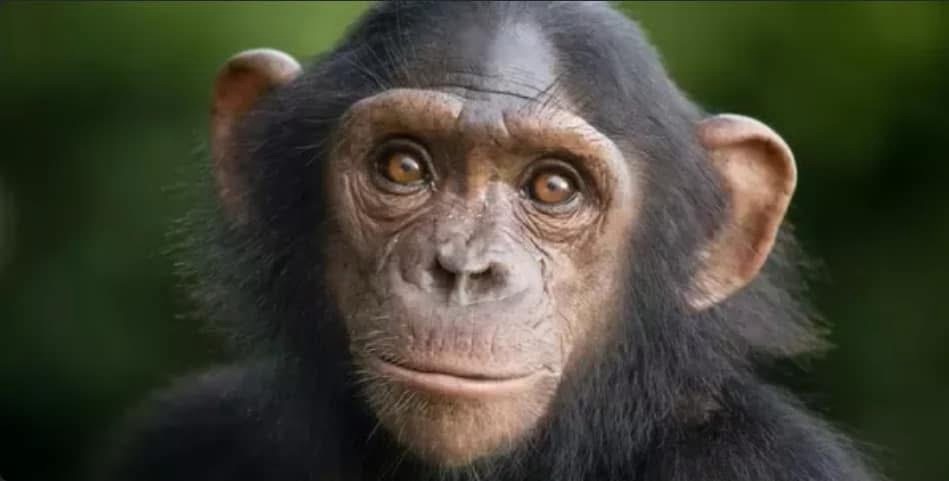
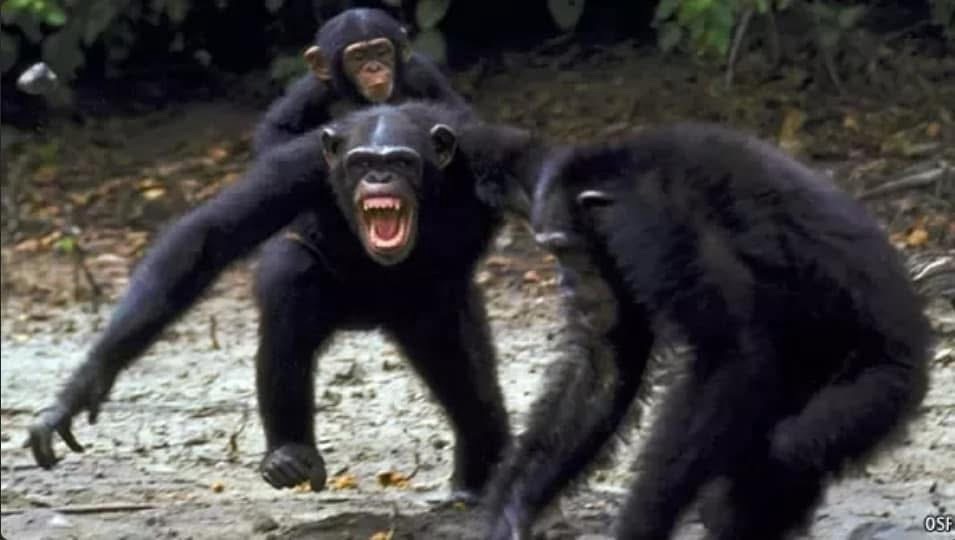
The Gombe Chimpanzee War, A conflict that didn’t involve any humans.
Many of us think that Chimpanzees are peaceful creatures, that always looked cheerful and playful, without the slightest tendency towards violence, and that Humans alone involve ourselves in conflict.
However, in the early 1970’s, with the death of an alpha male leader of a pack of Chimps in the Gombe region of Tanzania lead to the group being splintered into two, the Kasakela and the Kahama.
Over a period of 4 years, the Kasakela Chimps would kill all of the Kahama Chimps, using sharp stones to kill each other.
Jane Goodall, who would later become a leading expert on Chimpanzees, observed the conflict.
Jane Goodall, being disturbed by the violence of the primal lifestyle of the Chimps, wrote in her memoir Through a Window: My Thirty Years with the Chimpanzees of Gombe,
For several years I struggled to come to terms with this new knowledge. Often when I woke in the night, horrific pictures sprang unbidden to my mind—Satan [one of the apes], cupping his hand below Sniff’s chin to drink the blood that welled from a great wound on his face; old Rodolf, usually so benign, standing upright to hurl a four-pound rock at Godi’s prostrate body; Jomeo tearing a strip of skin from Dé’s thigh; Figan, charging and hitting, again and again, the stricken, quivering body of Goliath, one of his childhood heroes.
With our closest living relatives on the Evolutionary Tree having the same techniques of violence as us, It turns out us humans have more in common with our animalistic past than some might like to admit.