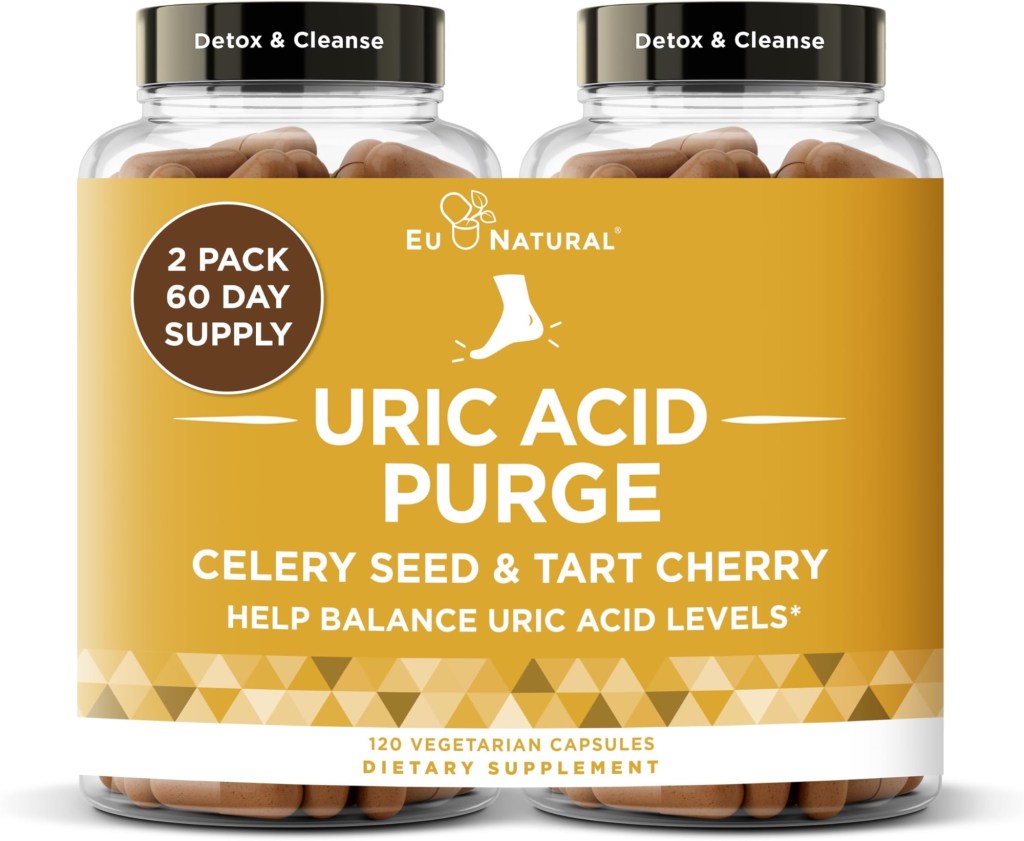
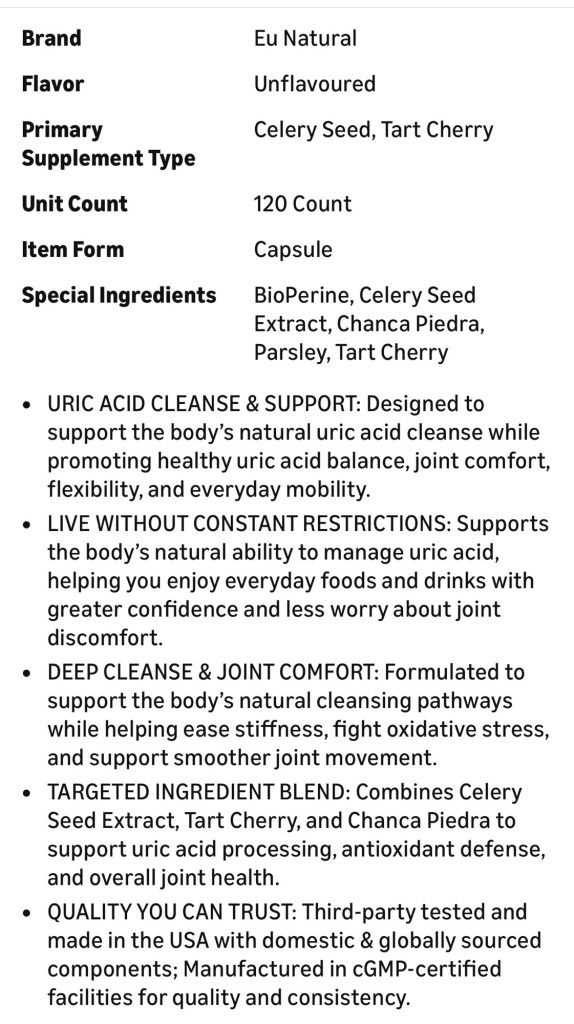
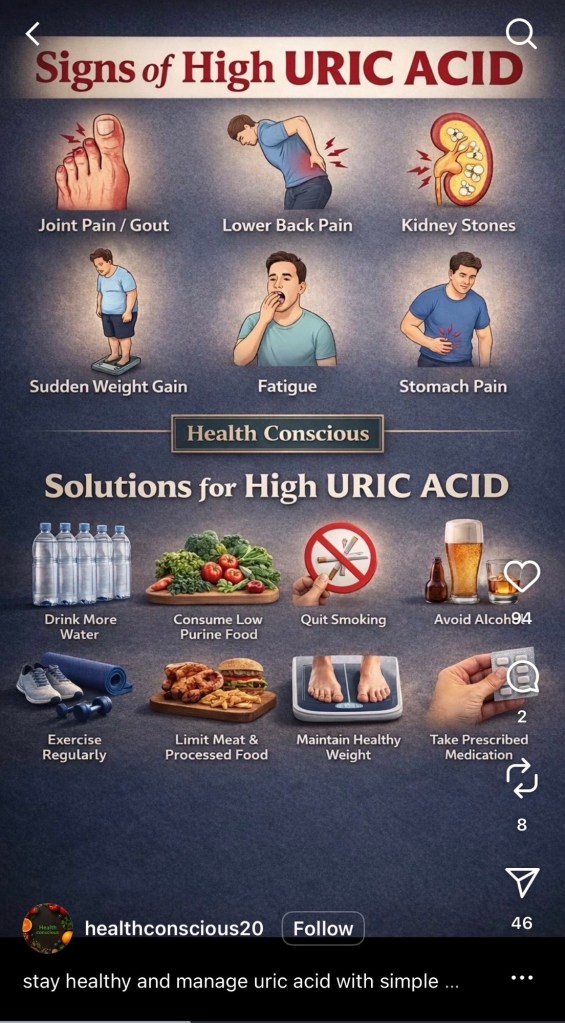
Requires a Uric Acid purge
I had NO IDEA!!!!! Dammit … I suppose I should be happy I’m alive and now have “hope” to undo the painful circumstance without surgery.
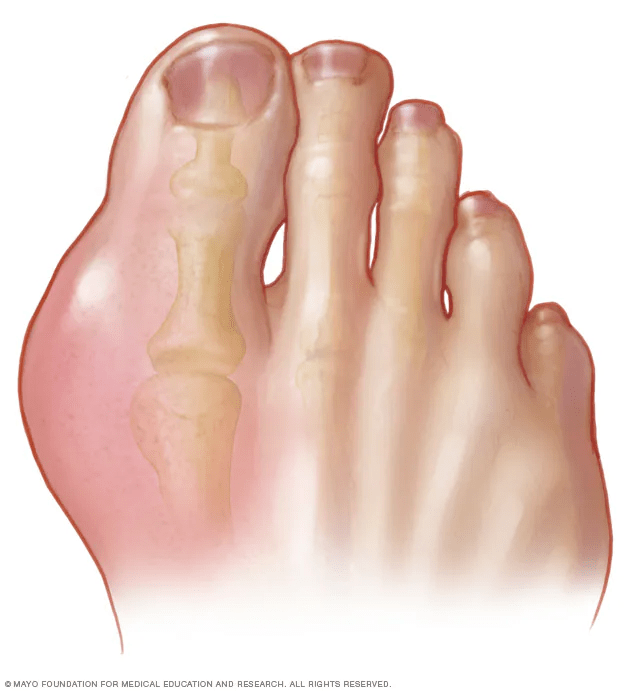
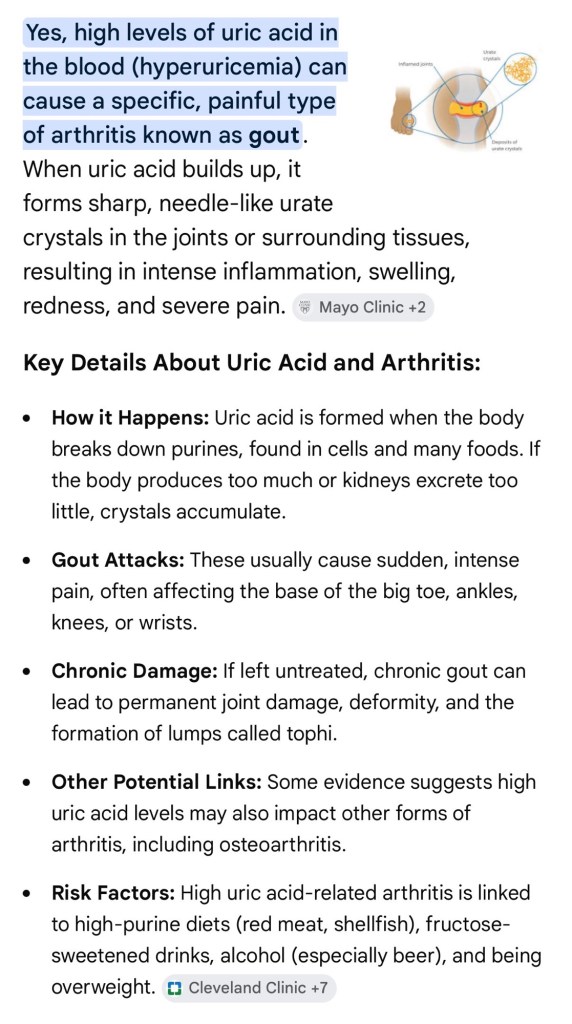
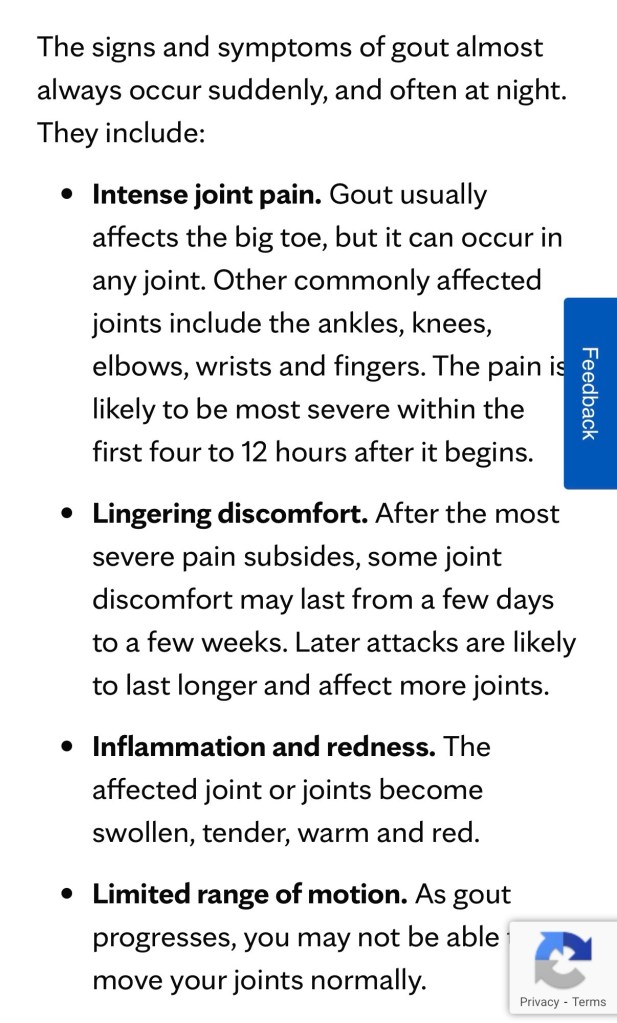
Requires a Uric Acid purge
I had NO IDEA!!!!! Dammit … I suppose I should be happy I’m alive and now have “hope” to undo the painful circumstance without surgery.
I heard this curator saying “the damage has been done”. He said they poisoned the water, and that she needed “hydrogen peroxide”. Whatever dimensional reality he is talking about, it appears a woman is there to bring healing “to the planet” … it seems as though the Women are being called to bring Restoration.
That being said, whatever timeline or dimensional space this is, gather hydrogen peroxide … it will help …. straight out of the mouth of the poisoner. He swears she cannot do it, heal the damage he has done …. but then again, he boasts of its cure while he insists its impossible … so, take it as it resonates.
AI Overview
Yes, hydrogen peroxide (H₂O₂) can effectively clean impure water
by acting as a powerful oxidizer and disinfectant, killing bacteria, viruses, and breaking down organic pollutants and minerals like iron and sulfur, leaving only harmless oxygen and water as byproducts, making it a clean, eco-friendly option for various water treatment needs, though it’s best used in controlled systems.
How it Works
Oxidation: H₂O₂ releases nascent (newly formed) oxygen, which oxidizes contaminants, changing their chemical structure.
Disinfection: The released oxygen effectively inactivates pathogens like bacteria, viruses, and cysts.
Contaminant Removal: It oxidizes minerals (iron, manganese) and organic matter, causing them to clump and become easily filterable.
Byproduct: It breaks down into pure water and oxygen, leaving no harmful chemical residues, unlike chlorine.
Benefits
Effective: Targets a broad spectrum of contaminants, including odors (like “rotten egg” smell from hydrogen sulfide) and discoloration.
Eco-Friendly: Decomposes into water and oxygen, making it environmentally safe.
Improves Aesthetics: Removes mineral buildup, improves taste, and clarity.
Applications
Well Water: Excellent for disinfecting and treating iron/manganese issues in private wells.
Municipal/Industrial: Used for general disinfection and removing organic pollutants.
Considerations
Controlled Dosing: For safe and effective treatment, it’s usually injected into water systems in precise amounts.
Filtration Needed: After oxidation, contaminants often need to be filtered out by a separate filter system.
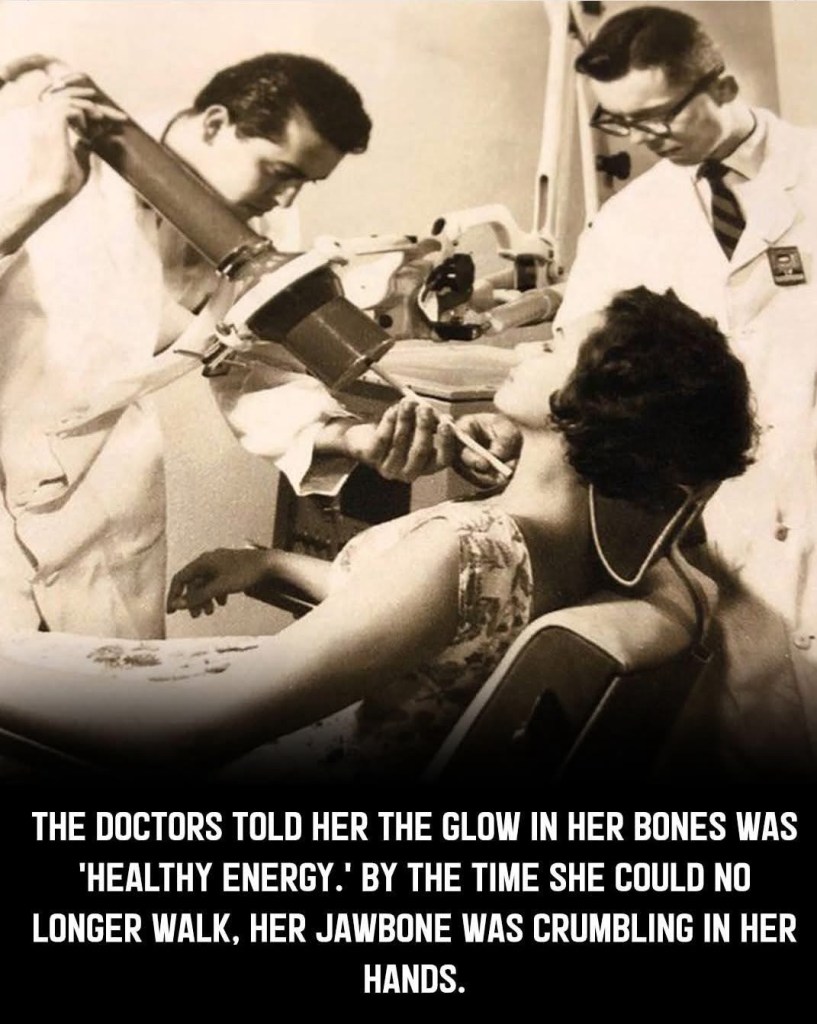
By the time she could no longer walk, her jawbone was crumbling in her hands.
The photograph from 1963 shows a well-dressed woman reclining in a medical chair, two doctors in pristine white coats standing over her. A massive X-ray machine—the size of a car engine—hovers inches from her throat, aimed directly at her thyroid. She looks calm. The doctors look confident.
The room looks sterile and professional.
No one is wearing protection.
Not the patient. Not the doctors. Not even a lead apron in sight.
Because in the 1960s, radiation wasn’t feared—it was celebrated.
This wasn’t ignorance. This was the height of modern medicine. X-rays were miraculous. They let doctors see inside the human body without cutting it open. They were fast, efficient, and—everyone believed—perfectly safe.
So safe that department stores installed X-ray machines to measure children’s feet for shoes. Mothers would bring their kids in weekly, watching their tiny foot bones glow on the screen while salesmen found the “perfect fit.”
So safe that dermatologists aimed radiation beams at teenagers’ faces to “cure” acne, delivering doses we now know were catastrophically high.
So safe that companies bottled drinks laced with radium—a radioactive element—and marketed them as “energy tonics.” Athletes drank them.
Socialites swore by them. One brand was called “Radithor.” The slogan? “Perpetual Sunshine.”
The man who drank it religiously, Eben Byers, died in 1932. When they exhumed his body years later, it was still radioactive. His bones had disintegrated. His skull had holes in it.
But by the 1960s, that was old news. Medicine had moved on. X-rays were routine. Radiation was modern. Progress meant pushing forward, not looking back.
The woman in that photograph—whoever she was—probably went home that day feeling grateful for advanced medical care. The doctors probably filed their report and moved on to the next patient. The X-ray machine was likely used dozens more times that week.
None of them knew.
They didn’t know that radiation accumulates. That every exposure adds up. That the thyroid—that butterfly-shaped gland in the throat where the machine was aimed—is exquisitely sensitive to radiation damage. That years later, thyroid cancer rates would spike. That the doctors themselves, standing unprotected session after session, would develop leukemia and die young.
They didn’t know because no one had done the long-term studies. No one had tracked the patients.
No one had asked the uncomfortable questions, because asking meant slowing down, and slowing down meant falling behind.
Progress was the priority. Caution was for the timid.
It took decades—and thousands of victims—before medicine finally confronted the cost of its overconfidence.
In the 1970s and 80s, regulations changed. Lead aprons became mandatory. Exposure limits were established. Radiologists started working behind protective barriers. Dental X-rays went from annual to as-needed. The industry that had once treated radiation like magic finally admitted it was poison.
But the reckoning came too late for the generation in that photograph.
Too late for the women who had radiation beamed at their thyroids and later developed cancer.
Too late for the factory workers who painted radium on watch dials and died with their bones glowing in the dark.
Too late for the children whose feet were X-rayed every time their mothers bought them shoes.
The photograph haunts us now because we know what they didn’t. We see the danger they couldn’t.
We understand that the doctors in their clean white coats and confident postures were, unknowingly, harming the very people they meant to heal.
But here’s the harder truth: we’re still doing this.
Right now, there are medical procedures we consider routine that future generations will look back on with horror. Technologies we trust that haven’t been studied long enough. Chemicals we use liberally because the consequences won’t show up for decades.
We just don’t know which ones yet.
The woman in that 1963 photograph believed in modern medicine. The doctors believed in their training. Everyone in that room believed they were doing the right thing.
And they were wrong.
Not because they were careless, but because they confused innovation with wisdom. They mistook novelty for safety. They believed that moving fast mattered more than moving carefully.
The history of medicine is not just a story of breakthroughs. It’s a story of bodies—real human bodies—used as experiments in the name of progress. It’s a ledger of invisible victims whose suffering taught us what we should have learned another way.
That photograph isn’t just history.
It’s a warning.
The doctors looked confident. The machine looked advanced. The woman looked safe.
None of it was true.
And somewhere, right now, in a sterile room with modern equipment and well-meaning professionals, someone is receiving a treatment that future generations will see as barbaric.
We just don’t know it yet.
👆🏻OP: The Two Pennies
Our medical industry’s history is littered with mistakes & is still just as dangerous today. Today, they are responsible for a leading cause of death in the United States, yet so many people still put all their faith & trust in them.
A reading by from the 13 Original Clan Mothers by Jamie Sams
My Spirit, just now, wanted to share this experience, and perception of experience, with you:
Nasty psychic surgeons hurt many people, doing things unseen to the ‘brain’ …
Pouring an acidic substance into the spirit bodies mental body, they make little slices, little cuts, then run what would feel like, sandpaper through the cuts, the brain feeling like it just oozes with wounding.
It felt at times, for me, like the veins in the brain were cut, or clamped, like someone was trying to encourage aneurism or stroke.
When these interferences occur, and they are coupled with technology waging war against the waters of the flesh temple, hitting it with DEW Frequency weap0ns to agitate the waters and energy within them, it can be quite challenging to breathe into it, and remain settled.
I discovered that when it becomes exceedingly difficult, taking 1 capsule of St. Johns Wart gently soothes the severity of the experience.
Now, it’s still difficult, and transmutation work needs to be done, but the edge is dulled, and it becomes easier to alchemize the energy.
The nice thing about St. Johns Wart is, it doesn’t need to be taken every day. It can just be those few moments that seem unbearable …
I did not know this, but apparently St. Johns Wart is used for protection against evil, demons, and witchcraft. This could explain why an herb said to assist with depression works in an attack unseen, such as mentioned above.

Sounds like they’re cooking up a medical catastrophe. No wonder these masculines are so excited about folks “needing” medicine. There could be some temple failures in the future. If your Dr can guide you, it may be wise to replace synthetic medicines with naturopathy, preferably medicine you can grow yourself.

Mother Nature’s plant medicines have been vilified unjustly. Looking forward to Naturopathy becoming the prevalent health-care system.
Testimony from a Veterinarian
I once stitched up a dog’s throat with fishing line in the back of a pickup, while its owner held a flashlight in his mouth and cried like a child.
That was in ’79, maybe ’80. Just outside a little town near the Tennessee border. No clinic, no clean table, no anesthetic except moonshine. But the dog lived, and that man still sends me a Christmas card every year, even though the dog’s long gone and so is his wife.
I’ve been a vet for forty years. That’s four decades of blood under my nails and fur on my clothes. It used to be you fixed what you could with what you had — not what you could bill. Now I spend half my days explaining insurance codes and financing plans while someone’s beagle bleeds out in the next room.
I used to think this job was about saving lives. Now I know it’s about holding on to the pieces when they fall apart.
I started in ’85. Fresh out of the University of Georgia, still had hair, still had hope. My first clinic was a brick building off a gravel road with a roof that leaked when it rained. The phone was rotary, the fridge rattled, and the heater worked only when it damn well pleased. But folks came. Farmers, factory workers, retirees, even the occasional trucker with a pit bull riding shotgun.
They didn’t ask for much.
A shot here. A stitch there. Euthanasia when it was time — and we always knew when it was time. There was no debate, no guilt-shaming on social media, no “alternative protocols.” Just the quiet understanding between a person and their dog that the suffering had become too much.
And they trusted me to carry the weight.
Some days I’d drive out in my old Chevy to a barn where a horse lay with a broken leg, or to a porch where an old hound hadn’t eaten in three days. I’d sit beside the owner, pass them the tissue, and wait. I never rushed it. Because back then, we held them as they left. Now people sign papers and ask if they can just “pick up the ashes next week.”
I remember the first time I had to put down a dog. A German shepherd named Rex. He’d been hit by a combine. The farmer, Walter Jennings, was a World War II vet, tough as barbed wire and twice as sharp. But when I told him Rex was beyond saving, his knees buckled. Right there in my exam room.
He didn’t say a word. Just nodded. And then — I’ll never forget this — he kissed Rex’s snout and whispered, “You done good, boy.” Then he turned to me and said, “Do it quick. Don’t make him wait.”
I did.
Later that night, I couldn’t sleep. I sat on my front porch with a cigarette and stared at the stars until the sunrise. That’s when I realized this job wasn’t just about animals. It was about people. About the love they poured into something that would never live as long as they did.
Now it’s 2025. My hair’s white — what’s left of it. My hands don’t always cooperate. There’s a tremor that wasn’t there last spring. The clinic is still there, but now it’s got sleek white walls, subscription software, and some 28-year-old marketing guy telling me to film TikToks with my patients. I told him I’d rather neuter myself.
We used to use instinct. Now it’s all algorithms and liability forms.
A woman came in last week with a bulldog in respiratory failure. I said we’d need to intubate and keep him overnight. She pulled out her phone and asked if she could get a second opinion from an influencer she follows online. I just nodded. What else can you do?
Sometimes I think about retiring. Hell, I almost did during COVID. That was a nightmare — parking lot pickups, barking from behind closed doors, masks hiding the tears. Saying goodbye through car windows. No one got to hold them as they left.
That broke something in me.
But then I see a kid come in with a box full of kittens he found in his grandpa’s barn, and his eyes light up when I let him feed one. Or I patch up a golden retriever who got too close to a barbed fence, and the owner brings me a pecan pie the next day. Or an old man calls me just to say thank you — not for the treatment, but because I sat with him after his dog died and didn’t say a damn thing, just let the silence do the healing.
That’s why I stay.
Because despite all the changes — the apps, the forms, the lawsuits, the Google-diagnosing clients — one thing hasn’t changed.
People still love their animals like family.
And when that love is deep enough, it comes out in quiet ways. A trembling hand on a fur-covered flank. A whispered goodbye. A wallet emptied without question. A grown man breaking down in my office because his dog won’t live to see the fall.
No matter the year, the tech, the trends — that never changes.
A few months ago, a man walked in carrying a shoebox. Said he found a kitten near the railroad tracks. Mangled leg, fleas, ribs like piano keys. He looked like hell himself. Told me he’d just gotten out of prison, didn’t have a dime, but could I do anything?
I looked in that box. That kitten opened its eyes and meowed like it knew me. I nodded and said, “Leave him here. Come back Friday.” We splinted the leg, fed him warm milk every two hours, named him Boomer. That man showed up Friday with a half-eaten apple pie and tears in his eyes. Said no one ever gave him something back without asking what he had first.
I told him animals don’t care what you did. Just how you hold them now.
Forty years.
Thousands of lives.
Some saved. Some not.
But all of them mattered.
I keep a drawer in my desk. Locked. No one touches it. Inside are old photos, thank-you notes, collars, and nametags. A milk bone from a border collie named Scout who saved a boy from drowning. A clay paw print from a cat that used to sleep on a gas station counter. A crayon drawing from a girl who said I was her hero because I helped her hamster breathe again.
I take it out sometimes, late at night, when the clinic’s dark and my hands are still.
And I remember.
I remember what it was like before all the screens. Before the apps. Before the clickbait cures and the credit checks.
Back when being a vet meant driving through mud at midnight because a cow was calving wrong and you were the only one they trusted.
Back when we stitched with fishing line and hope.
Back when we held them as they left — and we held their people, too.
If there’s one thing I’ve learned in this life, it’s this:
You don’t get to save them all.
But you damn sure better try.
And when it’s time to say goodbye, you stay. You don’t flinch. You don’t rush. You kneel down, look them in the eyes, and you stay until their last breath leaves the room.
That’s the part no one trains you for. Not in vet school. Not in textbooks.
That’s the part that makes you human.
And I wouldn’t trade it for the world.

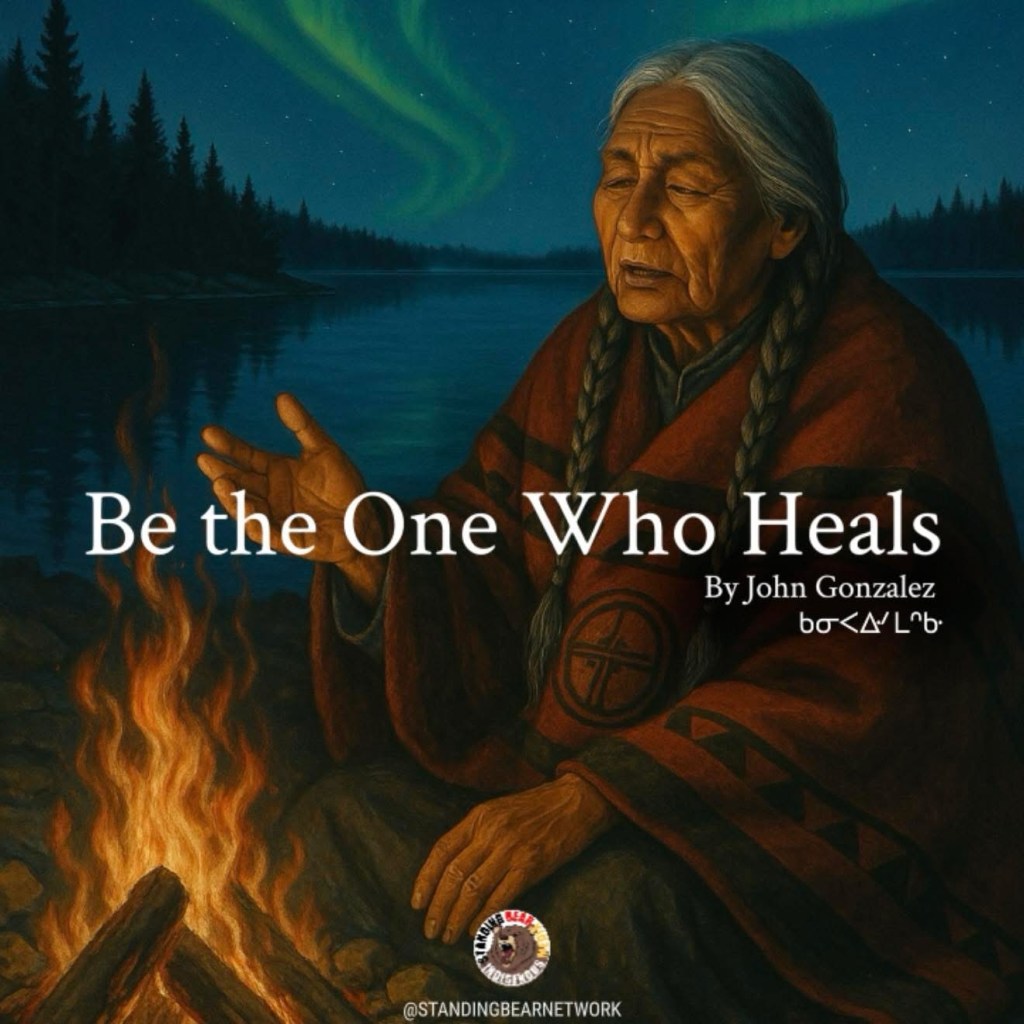
Ay-hay, nitotem. Sit with me by the fire awhile. Let me tell you a story—one the ancestors placed in my heart when I was young and full of hurt, and one that’s kept me walking straight even when the winds of sorrow tried to bend me.
Long ago, before the town came, before the hydro dams took the breath from our rivers, there was a boy named Kīsikāw, which means “He Who Comes From the Sky.” He was born during a thunderstorm—his first cries were swallowed by the roar of the heavens, and the old ones said he was destined to carry lightning in his heart. But that lightning—it’s a dangerous thing, êkwa—because it can burn just as easily as it can shine.
Kīsikāw grew up in a house where love was a quiet, broken thing. His father, wounded by residential school, carried pain like a second skin. He didn’t know how to be gentle. His words struck like fists. His silence cut deeper. And his mother, she tried—oh, how she tried—but she was drowning in her own grief. The boy learned early that some wounds don’t bleed on the outside.
When Kīsikāw was older, he carried that pain like a bone knife tucked under his ribs. He judged quickly, he rejected before he could be rejected, and his shame made him sharp. People saw him as cold, but really, he was just trying not to break apart.
Then, one day, an old woman named Nôhkom Iskwew came to him. She had eyes like the still waters of Pimicikamak, deep and watching. She said, “Grandson, the hurt you carry—did it make you stronger, or just harder?” He couldn’t answer. “You carry the hurt of generations, but you have the chance to be the one who lays it down. Be the one who breaks the chain, not the one who binds it tighter.”
He sat with that. It didn’t make sense at first. How do you heal by opening old wounds? But she told him: “When you were judged, did you not cry out for understanding? When you were cast aside, did you not long for someone to accept you, as you are? Then be that someone.”
And slowly—like the river thawing in spring—he began to change. He learned to listen without defending. To forgive without forgetting. To speak from his heart instead of his pain. He chose to be gentle where his father was harsh. To love fiercely where he was taught to be silent. He became the man he needed as a boy, and in doing so, he healed not only himself, but his children, and their children too.
So I say to you, kîsikâw pîsim, sun-child: be the one who breaks the cycle. Choose compassion over cruelty. Choose to be medicine, not more poison. You are not what happened to you—you are what you choose to become from it.
That is our way. That is the power of pimâtisiwin—the sacred life. Carry it gently.
John Gonzalez
Standing Bear Network
The fires are burning
So reach for me
Like the petals of a rose
Bloom in it’s season
Gentle and slow
My body is the mountain
The ocean, the river
The sand and the soil
The life giver
So come on now, my friend
Speak to me
Help me understand
Let us walk together
Take my hand
And we will heal this land
We will heal this land
Do you hear the call?
We will heal this land
If you could only believe
Source: LyricFind
Songwriters: Tina Malia
Heal This Land lyrics © Boundless Light
 opensenseme