This sort of freaks me out, knowing they inject the babies right away. What are they “really” doing?
Some hints in here .. matrix, blue minds, 3D world…so many in a short clip…animals, cannibals, can you decode/decipher it all…?
**Decoded/ Deciphered by Vrill Slayer Posted by Mel Raggam
Gematria
Some hints in here .. matrix, blue minds, 3D world…so many in a short clip…animals, cannibals, can you decode/decipher it all…?
From the lyrics of Iniko.
Snippet From My Cosmic Burst in Simple Gematria equals
331 x 6 = 1986
= The Neptunes Presents Clones
From two rap artists including Pharrell Williams having an album named Clones as human clones exposed by Donald Marshall.
= Science Fiction Movies Are Reality
We have all viewed movies and TV series that call it science fiction but art imitates reality they are trying to warn you, hint you of the technology that is used on mankind – hinting human cloning, body snatching Vrill that turn into hosts as the technology for consciousness transfer put into an Avatar or clone even downloading dead consciousness to be put into a synthetic body.
= Brain Invaders Must Be Destroyed
This is relation to body snatchers as those who do human experimentation on people through MK Ultra, invading the mind for control, torture through clone after clone.
= Brain Chip Implant The Witness
As those who are chipped that go through REM even those who aren’t chipped. Donald Marshall which exposed about the RFID chip used to download dead consciousness to individuals who become coherent and submissive. This also includes remote neural monitoring.
= They Just Pick Up Another Body
Leah Remini who used to be part of Scientology mentioned in her tweet that those who die they just pick up another body recalling their memories to be put into a new body. Think of movies like Self/Less or Replicas.
19 + 86 = 105
Full Reduction ‘105’ codes
= SIX HUNDRED AND SIXTY SIX
Root of this technology is THE MARK OT THE BEAST.
= MILITARY INTELLIGENCE
Known as Military Industrial Complex which is know also from when making super soldiers as they reference the MILITARY INTELLIGENCE codes from the movie.
Star Children I Got News For You in Simple Gematria equals
343 x 6 = 2058
= Infiltration Instead Of Invasion
A quote by JFK in 1961 before assassinated exposing secret societies. They infiltrate to parasite instead to invade.
= Fallen Angels Are The Actual Illuminati
Known as the Annunaki, the Sumerian gods, known as the sons of God or the Watchers – they are the original Illuminati the renown as the Freemasons are just puppets of Lucifer.
The star children are related to those who are called starseeds or the Pleiadians of the Galactic Federation – Donald Marshall exposed them to be Vrill hosts they are parasites wanting to infiltrate and take over hosting humans to be drones.
= Are We Living In A Simulated Reality
= Everything Is Hidden In Plain Sight
The world has become a simulation or altered realities, brainwashing and programming of the mind such with media, social media and today’s social environment.
= Grey Alien DNA Forms A Proto Species
The term grey aliens are the Vrill Type 3 people know them as aliens from outerspace but they’re form deep inner earth and not outer space. Proto species would be half reptilian hybrids that become cybernetic machines modified DNA turning humans into hosts – this also relates in the realms of Transhumanism.
= Donald Marshall The Soulstone Chip
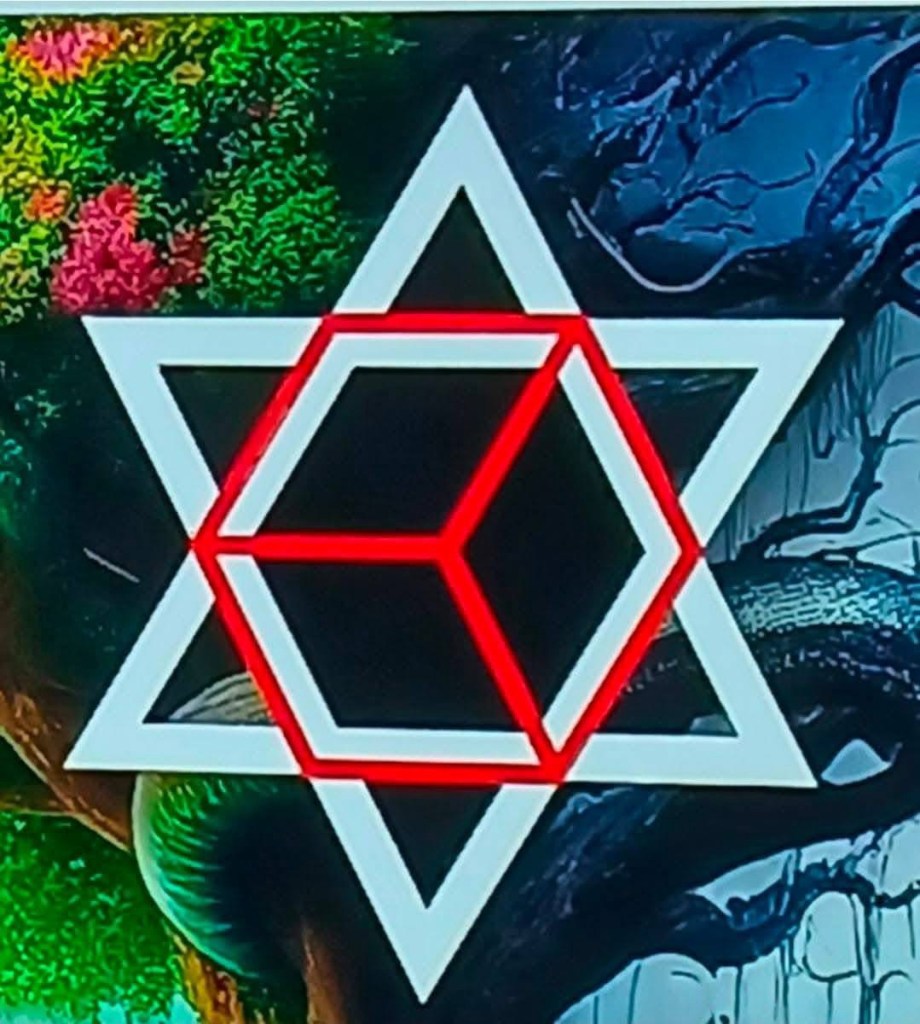
For the years Donald Marshall has spoken about this even of today. Putting souls into devices to the next clone. The cube of Saturn which contains cube shape devices of trapped souls.
“..this is a 3D world it’s corrupt and blue..”
This Is A Three D World in Simple Gematria equals
217 x 6 = 1302
= Dont Worry Darling
A movie which has a character name Alice put into a simulated world of a false reality which she later founds out. Think of terms like Alice in Wonderland.
= Subconsciousness
That which the subconscious mind becomes altered from reality. Think of Dorothy in Oz or Alice in Wonderland. This relates to also Don’t Worry Darling or the movie Inception.























 opensenseme