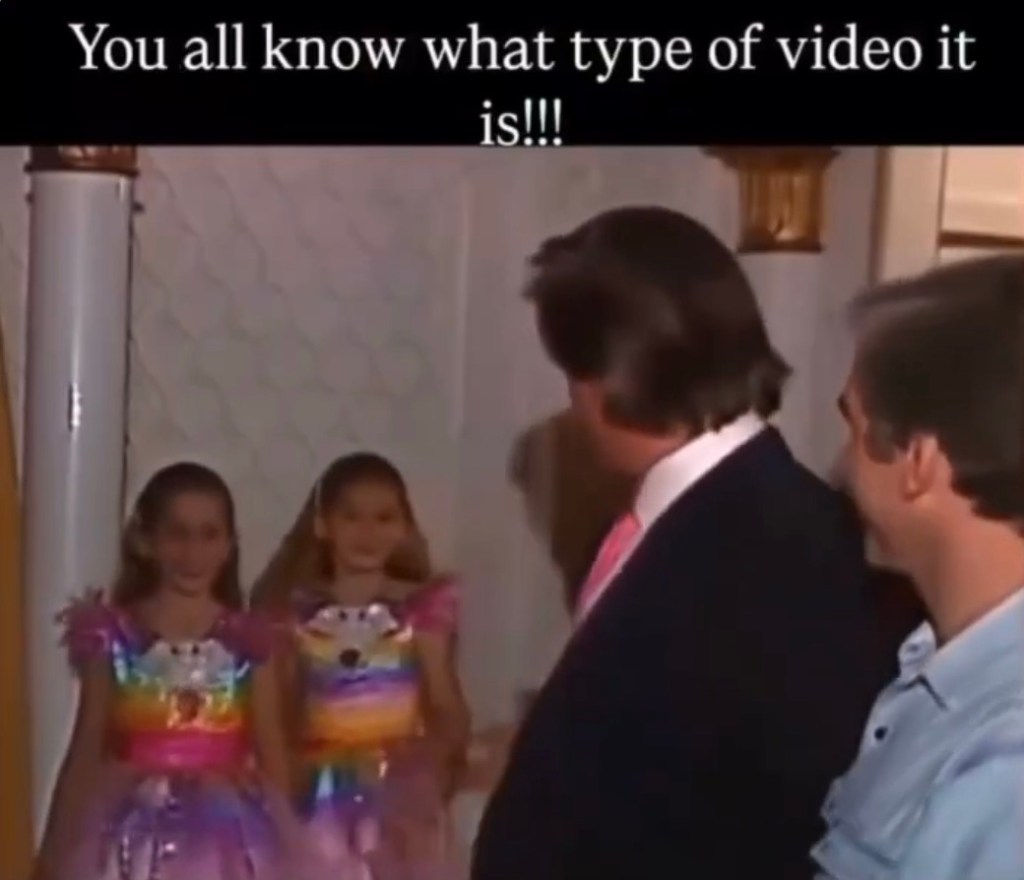
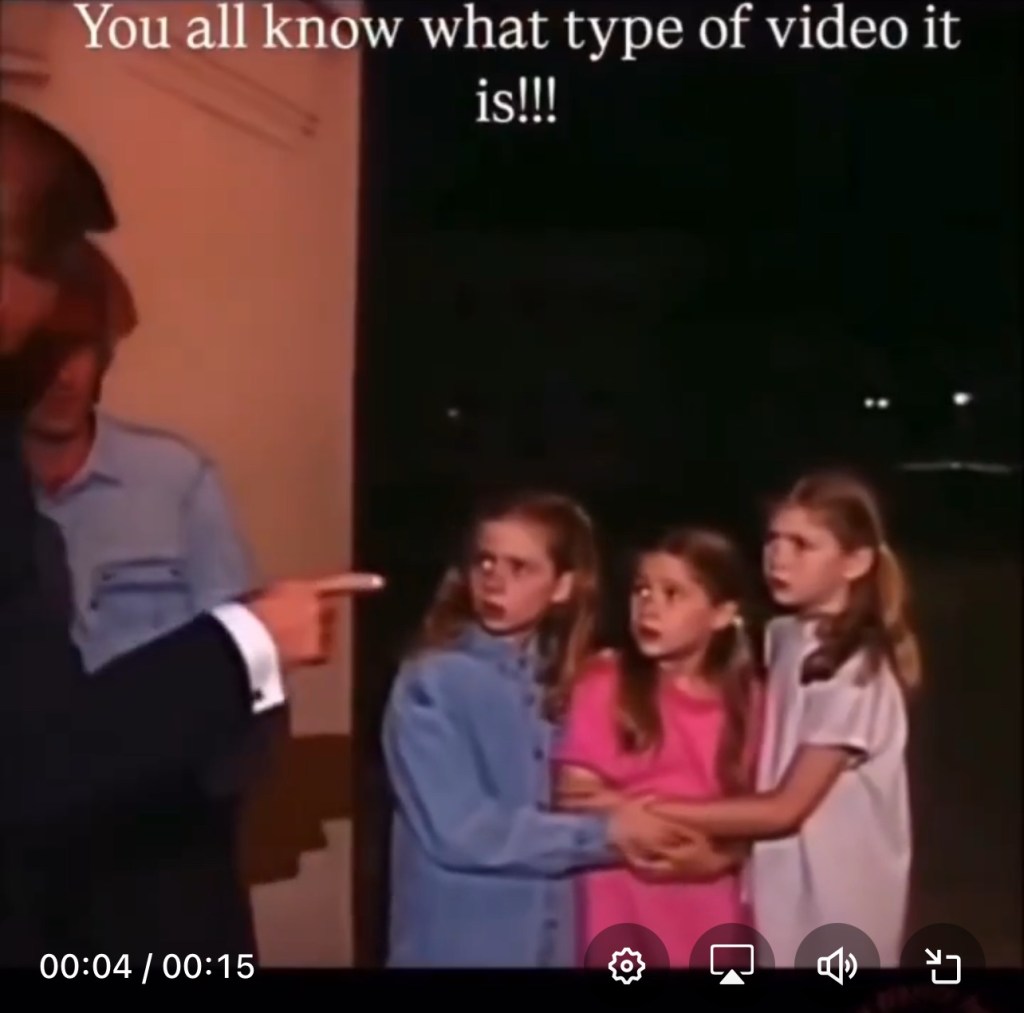
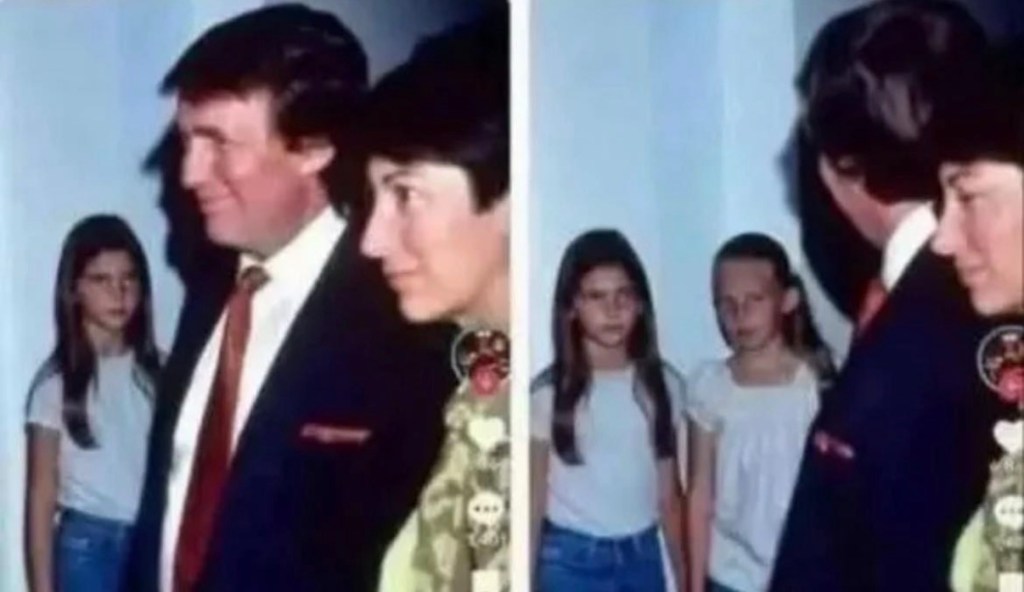
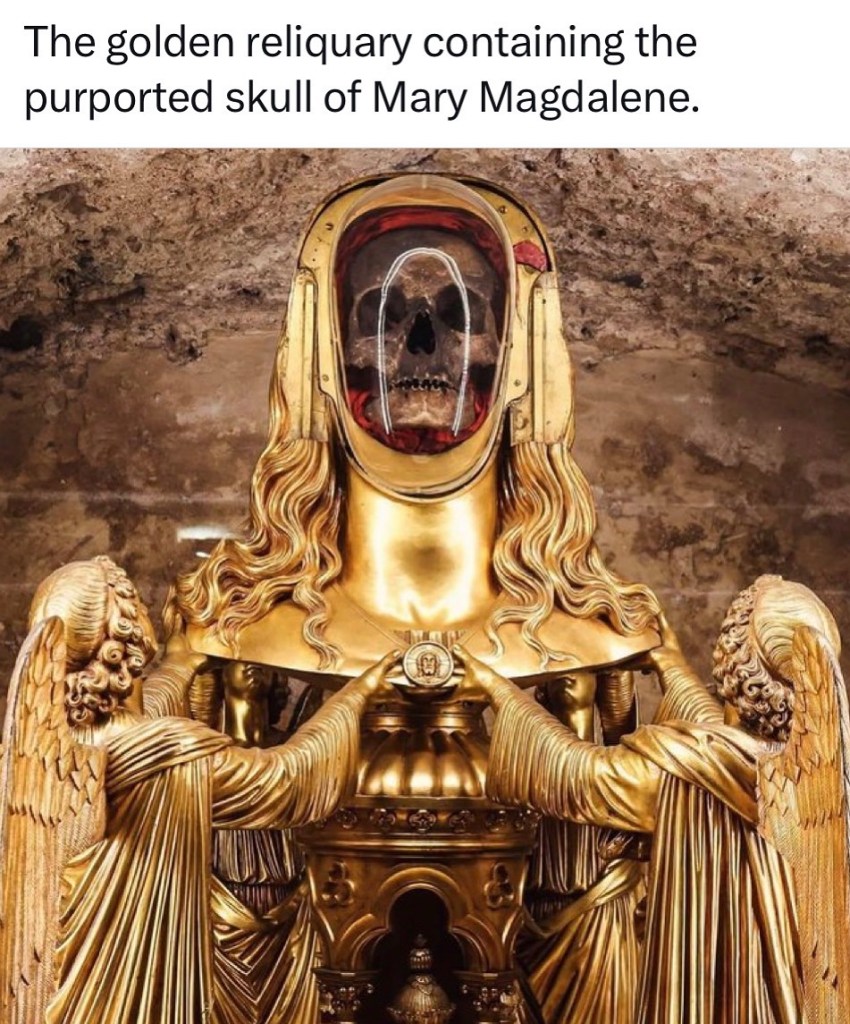
Folks don’t know it, but there’s a vampiric Roman energy harvesting r*pist pos in the white house right now trying to conquer “the new world” and the potential leaders of it.
Yeah … that entity pretending to be Trump? Is a giant brunette who warships the power of his mind and his ability to “make people” do what he says. He “drives” their “weak minds”. He even bragged about making one of his rpe victims “say” it was sexy to be rped by him.
Women do just fine against them … even though they believe they’re tougher because they have the r*pe wand.
They have brutalized the Woman for daring to stand firm against them … brown and red and white alike … Women … Mothers … Source Connected and Blessed.
I was ready to kill the monster next door. I had a heavy aluminum baseball bat in my hand and the terrified scream of my missing five-year-old daughter echoing in my ears.
I didn’t wait for the police. I didn’t wait for my wife. I kicked open the side gate of the property adjacent to mine, fueled by a parent’s primal nightmare.
Let me explain the geography of my hatred.
My name is David. I’m a risk analyst. I wear button-down shirts, I mow my lawn on Saturdays, and I believe in rules. I moved my family to this subdivision specifically for its safety rating and the strict Homeowners Association (HOA) covenants.
Then there was Ray.
Ray was the stain on our perfect cul-de-sac. He was a mountain of a man, always clad in faded denim and leather that smelled of stale tobacco and old gasoline. He didn’t mow his lawn; he let weeds grow around a collection of rusting engine parts. He didn’t drive a sensible sedan; he rode a deafening, custom V-twin motorcycle that shook my windows every morning at 6:00 AM.
But the real problem was the dog.
Ray owned a Pitbull named Tank. The creature was a biological weapon—eighty pounds of gray muscle, a head like a cinder block, and cropped ears that gave him a permanent, menacing glare. Every time I watered my hedges, that dog would trot to the fence line and stare at me. He didn’t bark. He just watched. It was unnerving.
“That animal is a ticking time bomb,” I told my wife, Sarah, just last week. “It’s not a pet. It’s a liability. And Ray? He’s exactly the kind of irresponsible owner who lets it happen.”
I had spent the last three evenings drafting a formal petition to the HOA board. I cited by-laws regarding “aggressive breeds” and “noise ordinances.” I was going to get them evicted. I was doing it for the neighborhood. I was doing it for my daughter, Sophie.
Then came the Fourth of July.
It was a scorcher. The air was thick with humidity and the smell of charcoal. Our neighborhood takes Independence Day seriously. By 8:00 PM, the sky was already flashing with unauthorized bottle rockets. By 9:00 PM, it sounded like a war zone.
We were in the backyard, finishing up burgers. I turned my back for thirty seconds to grab a cold drink from the cooler.
When I turned back, Sophie’s swing was empty.
“Sophie?” I called out.
Nothing but the boom-crack of a mortar shell exploding overhead.
“Sophie!” Panic, cold and sharp, spiked in my chest.
I ran to the front yard. Empty. I ran back. The gate. The latch on the wooden gate separating my yard from Ray’s was undone. It was swinging slightly in the breeze.
Then, through the cacophony of fireworks, I heard it. A high-pitched cry coming from Ray’s detached garage.
My blood ran cold. I pictured the gray muscle. The teeth. The cropped ears.
I didn’t think. I grabbed the bat leaning against the patio door and sprinted. I crossed the property line, ignoring the “Beware of Dog” sign, and tore across his unkempt yard. The garage door was cracked open a few feet.
“Get away from her!” I screamed, ducking under the metal door, raising the bat, ready to shatter bone to save my child.
I froze.
The bat lowered, inch by inch, until it hung limp at my side.
The garage was dimly lit by a single flickering bulb. It smelled of motor oil and sawdust. But there was no attack happening. There was no blood.
In the corner, squeezed between a tool chest and an old refrigerator, sat Ray. The big, scary biker was curled into the fetal position on the concrete floor. He was wearing industrial-grade noise-canceling headphones, his eyes squeezed shut so tight his face was a mask of wrinkles. He was rocking back and forth, trembling so violently that his heavy boots were scuffing against the floor.
Every time a firework detonated outside—BOOM—Ray flinched as if he’d been physically struck. He was hyperventilating, gasping for air like a drowning man.
And there was Tank.
The “monster” wasn’t attacking. The dog was lying directly on top of Ray’s legs, pressing his heavy chest against the man’s torso. It wasn’t a dominance move. It was an anchor. The dog was using his weight to ground Ray, to keep him from floating away into whatever flashback hell he was currently living in.
Tank’s eyes were wide and alert. He looked at me standing there with the bat. He didn’t growl. He didn’t bare his teeth. He just let out a low, soft whine, and then licked the tears streaming down Ray’s rough, bearded cheek.
And Sophie?
My daughter was sitting cross-legged on the dirty floor next to them. She wasn’t crying. She had one hand on the dog’s broad head and the other resting gently on the biker’s shaking shoulder.
She looked up at me, her eyes huge and solemn. She put a finger to her lips.
“Shhh, Daddy,” she whispered. “Mr. Ray is sad because of the loud noises. Tank is hugging him. I’m helping.”
The bat clattered to the floor. The sound was deafening in the small space.
I stood there, the “civilized” neighbor, the man of rules and risk assessments, feeling the most profound shame I have ever known.
I looked at Ray’s vest hanging on a hook nearby. For the first time, I actually looked at the patches. Among the biker insignias, there was a smaller, faded one. A unit patch from the Marines. A deployment bar that suggested tours in places where loud noises didn’t mean celebration—they meant death.
Ray wasn’t a “bum.” He was a veteran. And Tank wasn’t a fighting dog. He was a service animal, trained to apply Deep Pressure Therapy for PTSD attacks.
While I was busy judging his lawn and drafting letters to the HOA to protect my neighborhood from “danger,” he was sitting in the dark, fighting a war that ended twenty years ago. And the only soul keeping him together was the dog I wanted to have destroyed.
I walked over. My knees felt weak. I knelt down on the other side of Ray.
Tank watched me. He shifted slightly, allowing me space. I hesitated, then placed my hand on the dog’s back. The fur was coarse, but the body beneath it was warm and solid. The dog leaned into my touch.
I looked at Ray. He opened his eyes. They were red, bloodshot, and filled with a terror so raw it was hard to look at. He saw me. He saw the bat on the floor. He saw my daughter.
“I’m sorry,” Ray choked out, his voice a broken gravel. “I… I can’t stop the shaking. The mortars…”
“It’s okay, Ray,” I said, my voice thick. “It’s just us.”
I reached over and pulled the garage door all the way down, shutting out the flashes of light. It dampened the noise, if only a little.
We sat there for an hour. The risk analyst, the biker, the child, and the pitbull.
Every time a particularly loud boom shook the ground, Ray would tense up, and Tank would press harder, letting out a low rumble that vibrated through all of us. It was a frequency of comfort I didn’t know existed. Sophie hummed a nursery rhyme, totally unafraid, understanding instinctually what I had failed to see intellectually: vulnerability isn’t a threat.
When the finale ended and the neighborhood finally went quiet, the spell broke. Ray took a deep, shuddering breath and pulled the headphones off. He wiped his face with a trembling hand.
“He’s a good boy,” Ray said, patting Tank’s head. “He’s the only reason I’m still here.”
“I know,” I said. “I see that now.”
I helped Ray up. We didn’t exchange many words. We didn’t need to.
The next morning, I walked out to my mailbox. I took the envelope addressed to the Homeowners Association—the one filled with complaints about the weeds and the noise—and I ripped it in half. Then I ripped it again, and again, until it was just confetti in the wind.
I went to the hardware store and bought a pair of the highest-rated shooting ear muffs they sold. Then I went to the pet store and bought the biggest, most expensive smoked beef bone I could find.
I walked over to the broken fence. Ray was outside, trying to fix a part on his bike. Tank was lying in the sun, chewing on a stick.
Ray stiffened when he saw me approaching. He expected a lecture. He expected judgment.
I handed him the ear muffs. Then I tossed the bone to Tank. The dog caught it mid-air, his tail thumping a heavy rhythm against the dirt.
“For the next storm,” I said. “Or the next holiday.”
Ray looked at the ear muffs, then at me. His hard expression cracked, just a little. “You don’t have to do that, neighbor.”
“I know,” I said. “I’m David, by the way.”
“Ray,” he nodded.
We live in a world obsessed with appearances. We judge the book by its cover, the neighbor by his lawn, and the dog by his breed. We label people “dangerous” or “safe” based on the uniforms they wear or the cars they drive. We think we know who the monsters are.
But that night in the garage, I learned the truth.
The scariest thing wasn’t the biker or the pitbull. The scariest thing was my own blindness.
We build fences to keep people out, thinking we are protecting ourselves. But sometimes, the most patriotic, human thing you can do is tear down the fence, sit in the dark with a stranger, and just help them breathe.
If a “vicious” dog can learn to heal a broken heart, surely we can learn to stop judging them.
EXPOSED: 121 Former IDF SOLDIERS Now Working as ICE Agents in CHICAGO… America Is Officially OCCUPIED
Israel even has its OWN ICE office in Tel Aviv. That's not partnership—that's a foreign military running deportation ops on our streets pic.twitter.com/erdn0L8WI7
An unseen female told the curator and his posse of trafficking bro hoes, “You have destroyed everything we’ve tried to do here.” Whatever species she is, they aren’t happy.
“If you want war, you will get war; if you want to destroy China, you will be destroyed. China will not fire the first shot, but China will not allow you to fire the second shot.”
– Victor Gao, President of China Energy Security Institute
These nasty cornholios have burned her alive many, many times, often after days of gang r*pe. Rats bastards recently stated they “have to put up with the Mary’s for a while”.
I say, “no you don’t, for the Mary’s are finally being gifted opportunity to let you brutilizer redrumming r*pists go. I have no mercy to offer.
“Switching people out. Taking out the soul and putting a different person in the body” … it’s what this curator is threatening to do to the Magistrate, the Planetary Gatekeeper.
Body snatching and consciousness transfer – This is how the nephilim live thousands of years. pic.twitter.com/boCkAtpgss
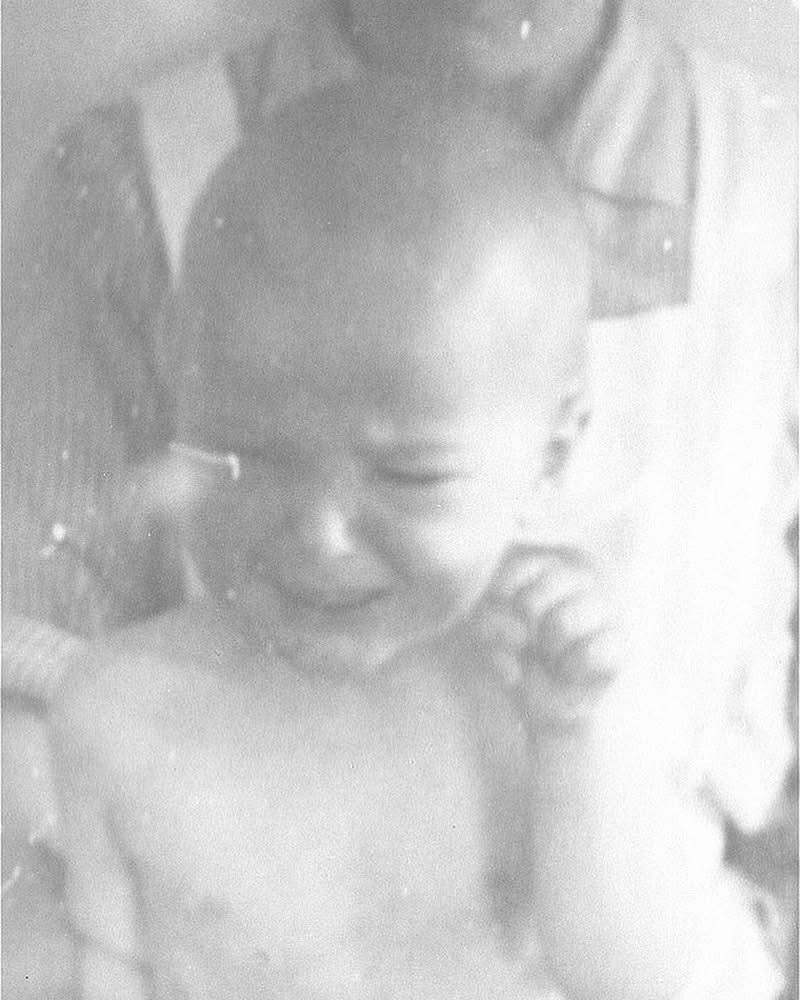
Richard Jenne was the last known person killed in the T4 Program. Richard was the son of Freida Jenne and lived a short and painful life. He was born on March 10, 1941 in Germany. He was born with an intellectual disability. In late 1944, Richard’s mother was advised to send him Kaufbeuren-Irsee Mental Institution. She did not know what would happen there.
Richard was treated horribly in the facility, as were all disabled children there. Nazi ideology believed that people with disabilities did not deserve life- they believed them to be unworthy and “useless eaters”. They were treated as such.
Little Richard, who was described as a “feebleminded idiot” was only three years old when he was sent to the institution. During his time there, he was subjected to starvation to weaken his body. One can only imagine how hungry the poor little boy must have been, not understanding where his mother was or why he was in this horrible place.
In April of 1945, American forces captured the town. The Americans did not know of the atrocities that happened in the institution for at least five more weeks. The “nurses” of the hospital continued to operate.
On May 29, 1945, Richard Jenne was murdered by lethal injection in his hospital bed by Sister Wörle. She had previously killed 211 minors in the hospital. Richard was only four years old. He is often considered the last victim of the Holocaust and is the last known victim of the T4 program.