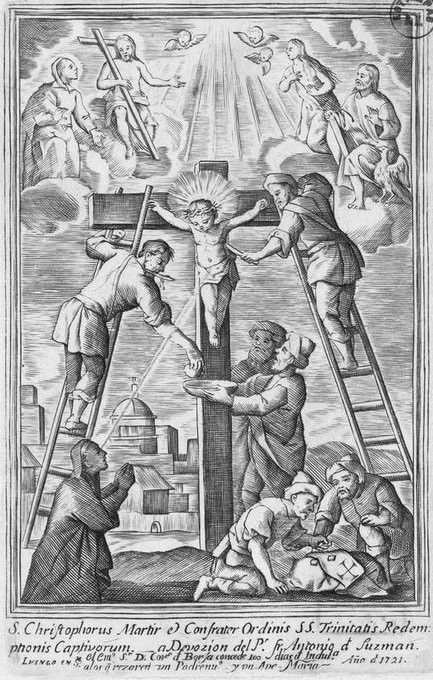
I’ve recently heard the curators interdimensional guide talking about “forbidden knowledge”. Could it be they were speaking of this? Are they upset Grok translated this “Forbidden” book?
Control
All posts tagged Control
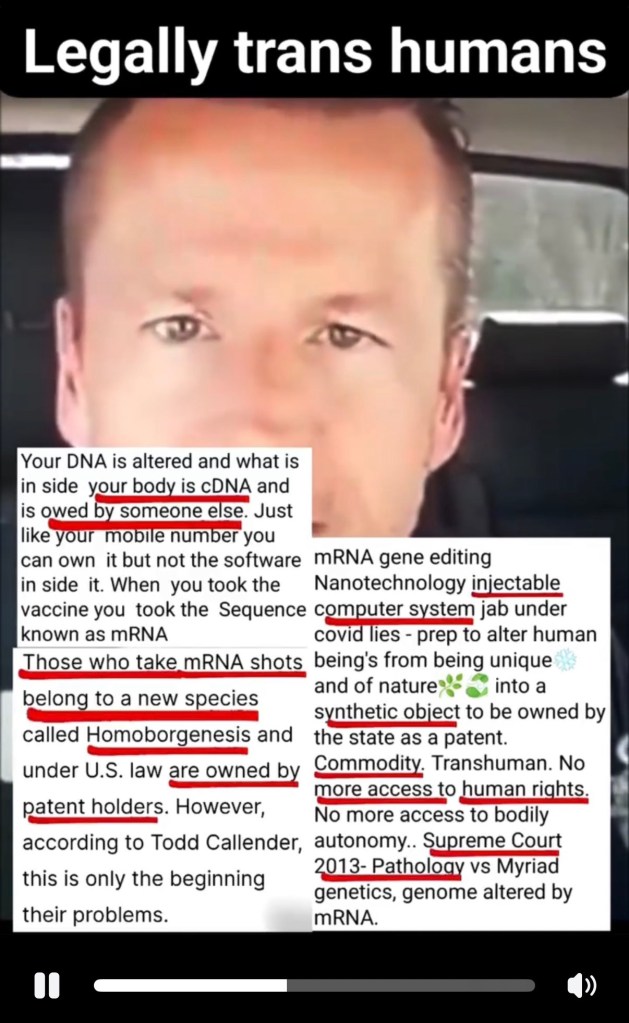
Legally Trans Human
Published February 15, 2026 by tindertenderThe document he’s reading appears to have been scrubbed from the Internet.
AI Augmentation.

The Devils Look Just Like Us and They Call Themselves Leaders
Published February 7, 2026 by tindertender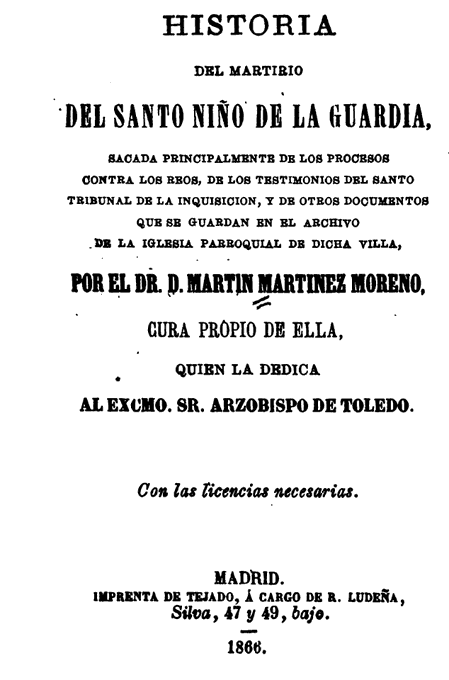
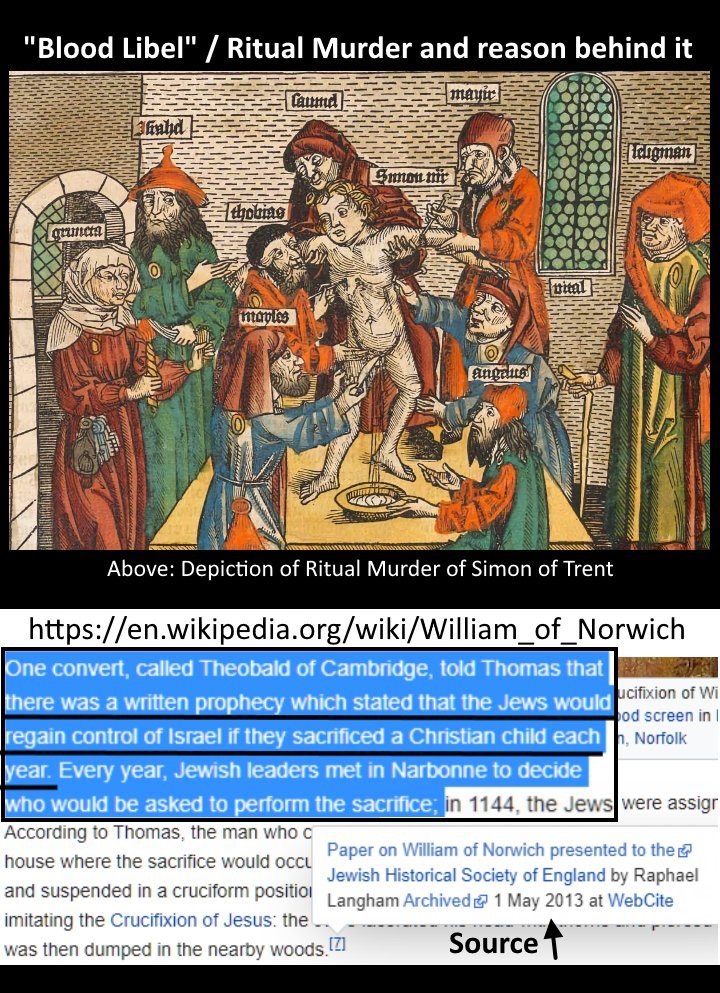
836 years ago, the Jews of the English city of Norwich were convicted of the ritual murder of the Catholic child William of Norwich. Another widely documented blood libel.
Getting rid of human rights and freedom of speech? Get rid of individual property rights?
Eleven-year-old Lily Mae Tucker went into labor on January 9, 1916
Published February 7, 2026 by tindertenderEleven-year-old Lily Mae Tucker went into labor on January 9, 1916, in the middle of winter. She had been married for seven months to Elias Tucker, a sixty-two-year-old man, and by the time her contractions began she already understood one brutal fact about her life: she was on her own. As the pain worsened, Lily cried out for help from inside the house, but Elias refused to come. He told her that childbirth was “women’s business” and that he did not intend to watch or assist. When her cries became too loud for his liking, he ordered her to leave the house entirely.
After eighteen hours of labor, exhausted and terrified, Lily crawled from the house to the barn, fifty yards away, because she had nowhere else to go. There, alone on the frozen dirt floor, she gave birth to a baby girl. There was no midwife, no family, no comfort. Lily cut the umbilical cord with a shard of broken glass she found in the dirt. She wrapped the newborn in her own dress because there was nothing else, then lay there holding her child, shaking from cold and fear, crying quietly so she would not be heard. Lily’s own mother had died years earlier. No one had ever explained childbirth to her. She did not know whether what she had done was normal or whether she had made a terrible mistake. She only knew she was eleven years old and suddenly responsible for another life.
Lily named her daughter Ruth.
Lily herself had been sold into marriage at the age of ten. Her father had accepted fifty dollars and a cow from Elias Tucker and handed his daughter over as property. Lily became pregnant almost immediately. By eleven, she was both a child and a mother. In that freezing barn, holding Ruth against her chest, Lily felt something new and overwhelming—love so intense it frightened her. She made herself a promise there on the floor: whatever happened to her, Ruth would never be sold the way she had been.
For the next eight years, Lily lived under Elias’s control. He was violent and cruel, and Lily endured daily harm that no child should ever experience. Through it all, she focused on one thing—protecting Ruth. She kept Ruth away from Elias whenever she could. She taught her daughter to read using a worn Bible she found. At night, Lily whispered stories about a different world, one where girls were not traded, where they were allowed to grow up safely. To Ruth, her mother seemed unbreakable. Lily was only nineteen years old, but she had survived eight years of marriage and kept her daughter safe.
In 1924, Elias announced that he had arranged Ruth’s future. Ruth was eight years old. A fifty-seven-year-old man from a neighboring county had offered seventy-five dollars, and Elias had accepted. The marriage would take place the following month.
When Lily heard this, something inside her shattered. Everything she had endured, every blow, every night of fear, had been for one reason—to spare Ruth this fate. She knew she could not allow it. That night, after Elias fell asleep, Lily woke her daughter and told her they were leaving. She packed a small bundle of clothes and food, climbed out the window with Ruth, and began walking through the darkness toward the home of a cousin Lily had not seen since childhood. It was fifteen miles away, but Lily believed that someone—anyone—might help them.
At dawn, Elias realized they were gone and rode after them on horseback. He caught up just three miles from the cousin’s house. He grabbed Ruth and tried to pull her onto the horse. Lily fought him with everything she had—scratching, screaming, refusing to let go. Elias struck Lily in the head with his rifle. She fell to the ground and did not rise again.
Ruth screamed as Elias reached for her once more, but she bit his hand and ran. She ran toward the house ahead, ran without looking back, even though her mother lay bleeding in the road behind her.
Ruth reached the house, and Lily’s cousin, Sarah, rushed outside. She found Lily unconscious, her skull fractured. A doctor was summoned, but there was nothing he could do. Lily woke once. When she did, her first words were not about her pain, but about her daughter.
“Is Ruth safe?” she asked. “Did he take her?”
Sarah told her the truth: Ruth was safe. Elias had fled. Ruth would not be married. Lily smiled—a real smile, the first Sarah had ever seen on her face—and said, “Good. That’s all that matters.” Lily died thirty minutes later. She was nineteen years old.
Ruth Tucker lived until 1998. She never married, saying she could not after what had happened to her mother. Instead, she became a teacher, helped women escape abusive marriages, and spent decades advocating against child marriage. She adopted a child in the 1950s and raised her with the safety and dignity Lily had fought for.
At Ruth’s funeral, her daughter spoke of the grandmother she had never met: a child who gave birth alone, who endured years of suffering, who ran into the night to save her daughter, and who died making sure that one little girl would not be sold.
“My grandmother was eleven when she became a mother,” she said. “She was nineteen when she died protecting her child. She spent every year in between doing everything she could to keep my mother safe. She was a child who saved her child. That is what love looks like. That is what courage looks like.”
And it was.

Dangers of Astral Sex ~ Dream Lover Tag and Harvest Program
Published February 1, 2026 by tindertenderThese vampiric nasties don’t even need to introduce themselves in order to “tag” and claim a womb for harvest. All it takes is a “dream” with a dream “lover”.
You will never know most who draw off your womb if you are entertaining Dream lovers or masterbating.
They instigate masterbation dreams while folks sleep and use the “O” to cast the illusion an actual sexxual encounter occurred.
They use it to forge marriage contracts in the astral. A false priest forges a contract vowing they witnessed consummation. It’s one of their favorite ways to “harvest” a male or female. It’s why they see most all women as prostitures.
They feel that if a woman (or male) is isolated and single, they can do whatever they want with their spirit and energy in the astral space, in the dream space.

Edit: someone accused me of “pushing fear for entertainment” and stated they were led to leave the channel. I did not share this “personal experience and testimony” to “push fear”. I shared it in the hopes people can train themselves to wake up during such attempt to harvest, and stop feeding the unseen beast. Of course those who are sensitive may glitch regarding this truth. I mean no offense. This is very serious. More serious than most understand.
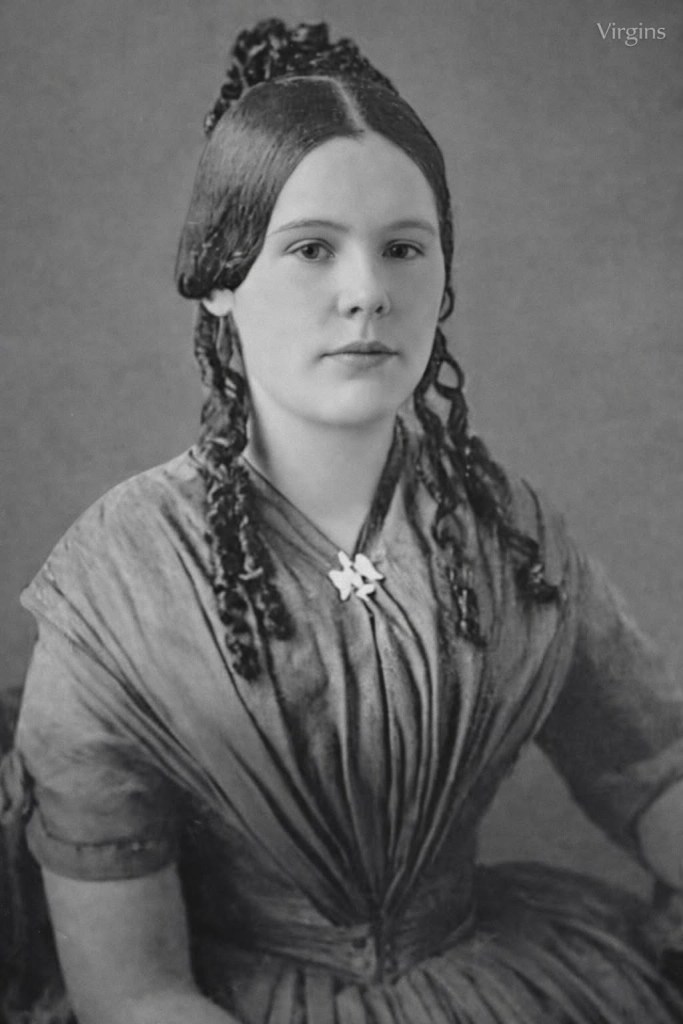
She Was 14 When They Sold Her
Published February 1, 2026 by tindertenderShe was 14 when they sold her to a stranger—but the choice she made on her wedding night changed everything. This is the story of survival, steel, and the kind of courage that reshapes destiny.
[Author’s note: While specific details of this individual remain unverified, the following represents the reality faced by countless young women in the American frontier during the 1860s-1870s, when child marriages were legal and women’s autonomy was often negotiated by men.]
The year was 1867, somewhere in the vast American West where marriage contracts were signed like property deeds and daughters were bargaining chips.
She was fourteen years old when her father shook hands with a man who could have been her grandfather. Silver coins changed hands. A wedding date was announced. Her entire future was determined in a conversation she wasn’t allowed to attend.
They gave her a white dress that didn’t fit. They told her to smile. They said she was lucky.
She didn’t feel lucky. She felt trapped.
But here’s what her father and her husband-to-be didn’t understand: desperation doesn’t make people weak. It makes them dangerous. And cornered animals don’t surrender—they fight.
On her wedding night, while the household slept off celebration whiskey, she made the decision that would define everything that followed.
No goodbye note. No second thoughts. No looking back.
Just a mule from the stable, a stolen knife, the clothes on her back, and the kind of determination that transforms terror into action.
The frontier was merciless to runaways, especially young women alone. The cold cut through her thin dress like razors. Hunger became her constant shadow. Every town was a risk—someone might recognize her, might return her to the husband who owned her by law.
But survival is the greatest teacher.
She learned to trap rabbits. She learned to shoot straight. She learned to make herself invisible when strangers rode past. She learned that being underestimated was sometimes the best protection.
For months, she worked cattle ranches under borrowed names, her hands transforming from soft and pampered to calloused and capable. Her arms grew strong from hauling water. Her back grew straight from refusing to break.
Every sunrise she survived was proof of something: she was stronger than the men who’d traded her like livestock.
Every meal she earned herself tasted like freedom.
Every skill she mastered was another lock on the door to the life they’d planned for her.
Five years of grit, sweat, and absolute refusal to surrender led her to an opportunity most people said was impossible.
A blacksmith—an older man who’d lost his sons to war and his wife to illness—took a chance on her. Maybe he saw something in her desperation. Maybe he just needed help and didn’t care about convention.
She never gave him reason to regret it.
Her hammer strikes found rhythm. The forge became her meditation. The heat that would drive others away felt like purification. She learned to read metal like people read books—how it moved when heated, when it was ready to shape, when to strike and when to wait.
The work was brutal. The heat was suffocating. The burns were constant.
She’d never been happier.
When the old blacksmith died, he left her his tools, his forge, and his reputation. She was nineteen years old.
She opened her own smithy in a town that didn’t know her history. The sign outside read simply: “Metalwork. All jobs considered.”
Something shifted in that community.
The same men who’d insisted women belonged in kitchens or brothels or marriage beds found themselves waiting in line for her craftsmanship. Her horseshoes didn’t break after one season. Her metalwork didn’t bend under pressure. Her repairs lasted longer than the original construction.
Her reputation didn’t need defending. Her work spoke louder than gossip.
Word spread across three counties: there’s a woman blacksmith who won’t take payment until you’re satisfied, and she’s never had to refund a single coin.
They say her father heard the stories. They say he rode past her shop once—saw the sparks flying like stars against the darkness, heard the hammer singing like thunder against the anvil, watched the smoke rising from the forge like a signal fire.
They say he kept riding.
Because what could he say to her? The daughter he’d sold was gone. The woman standing in that forge, covered in soot and sweat and success, owed him nothing.
She never married. Never apologized. Never softened her hands again.
She never forgot where she came from, but she refused—absolutely refused—to let that beginning dictate her ending.
Because here’s what her story teaches us:
Your worth isn’t determined by people who see you as currency. Your story doesn’t end where someone else’s greed begins. The only prison that truly holds you is the one you accept as permanent.
Freedom isn’t handed over in signed documents or legal declarations. Real freedom—the kind that can’t be revoked by law or custom or opinion—is forged in fire, one decision at a time, by hands that refuse to stay soft and hearts that refuse to stay broken.
The girl who was sold at fourteen didn’t become a victim. She became a blacksmith. She became her own rescue. She became proof that the future is not written by the people who tried to own your past.
Sometimes the bravest thing you can do is survive the story they wrote for you.
And then pick up the hammer and forge your own ending.
One strike at a time.
Mind Control
Published February 1, 2026 by tindertenderThis video is from the 1980’s
Your mind IS being altered from outside sources.
One of the cruelest executions in recorded history
Published January 31, 2026 by tindertenderOne of the cruelest executions in recorded history did not end with death.
It ended with silence, disbelief, and a small creature refusing to let go.
Mary, Queen of Scots had once been a crowned queen of France and Scotland, raised in courts of power and ceremony. But by the final years of her life, she was no longer a ruler—only a prisoner. Accused of conspiring against the English crown, she had fled Scotland hoping for protection from her cousin, Elizabeth I. Instead, she walked into captivity.
For nearly two decades, Mary lived under guard. Letters were intercepted. Conversations were monitored. Every movement was weighed for treason. Eventually, the verdict was decided long before any formal judgment was pronounced. The crown demanded finality.
On a cold February morning in 1587, Mary was led into the great hall of Fotheringhay Castle. The room was stark—stone walls, wooden beams, muted light filtering through narrow windows. Waiting at the center was a low wooden block and a simple, worn executioner’s axe. It was not ceremonial. It was not sharp.
Mary entered dressed deliberately. Beneath a dark outer gown, she wore deep crimson—symbolic of martyrdom. Witnesses later wrote that she appeared calm, even resolute. She forgave the executioner. She prayed aloud. Then she knelt.
The first blow fell.
It did not kill her.
The axe struck poorly, glancing off the back of her head. A gasp rippled through the hall. Mary cried out—not in defiance, but in pain. The executioner recoiled, stunned by his failure.
The second strike came quickly, driven by panic rather than precision. Still, it was not enough. Blood stained the block. Witnesses later swore they heard her voice again, echoing through the chamber—proof that she was still alive.
Only the third blow ended it.
Silence followed. The executioner grasped her head by the hair and raised it to show the assembled officials, declaring the sentence complete. But the moment did not end cleanly.
The head slipped from his grasp.
Her lips were still moving.
Her eyes were open.
Some believed it was a final reflex. Others whispered of something more unsettling. No one spoke aloud.
As attendants moved forward to remove the body, another shock emerged—small, sudden, and deeply human. From beneath the folds of Mary’s skirts, a tiny dog crawled out. It had been hidden there the entire time.
The animal trembled, its white fur stained dark with blood. It pressed itself against her body and refused to move. Officials tried to pull it away. It resisted. It returned. Again and again.
Even in death, Mary was not alone.
The dog was finally carried away, still struggling, still loyal.
The body was taken. The hall was cleared. The witnesses left—some shaken, some silent, some convinced they had just seen more than justice.
This was not merely an execution.
It was a spectacle of political fear. A failure of mercy. A moment where power exposed its own brutality.
And long after the blood was washed from the stone floor, one image remained burned into memory—not the axe, not the crown, not the accusation.
But a small dog, emerging from beneath a fallen queen, refusing to abandon her.
History recorded the death.
But it never forgot the loyalty.

Why am I attached to the Cloud?
Published January 30, 2026 by tindertender6G is Life Force Energy Harvesting Technology
The president was just speaking about 6G and how they could “look inside” people now.
https://www.facebook.com/share/v/1Dyb2766nF/?mibextid=wwXIfr


 opensenseme