The MINUTE someone accuses you of doing something you have never done, then expresses some sort of idolization … block them, drop them, these are mental twister freaks, and they’ll speak so sweetly while insulting someone, then play victim when you call them out … and their friends will hop on board real loud with endless chatter about their innocence. Save yourself the trouble and just cut them off, the FIRST time.
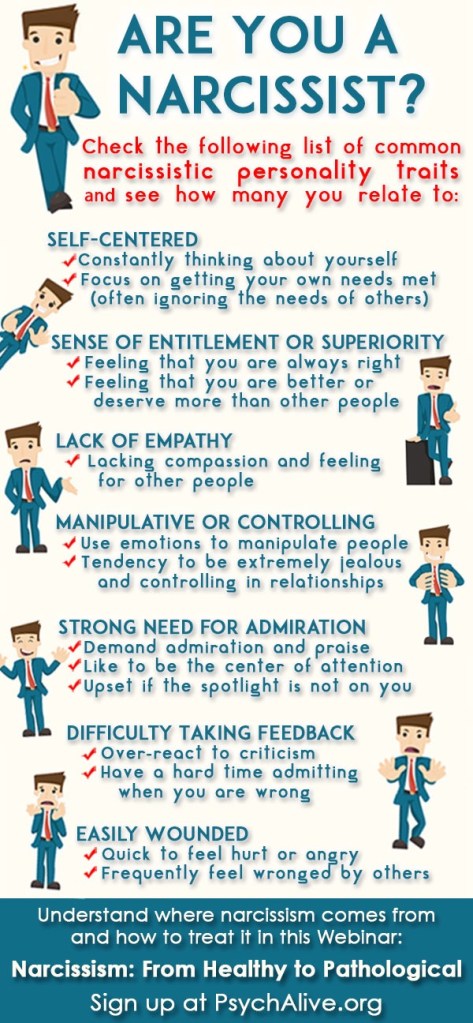
The narcissistic pattern of “curse then compliment” is a manipulative tactic used to keep a person off-balance and under control. The praise and insults are part of the larger narcissistic abuse cycle of idealization and devaluation, designed to erode a victim’s self-esteem and create an emotional dependency.
How the pattern works
Idealization (“the compliment”): At the beginning of a relationship, a narcissist will engage in “love-bombing,” showering the target with intense flattery, compliments, and affection. This rapid and overwhelming validation can make the person feel special and chosen. The purpose is to gain trust and create a strong emotional connection so the target becomes invested in the relationship.
Devaluation (“the curse”): Once the narcissist knows they have secured the target’s loyalty, the behavior shifts dramatically. The adoration turns into contempt, and the narcissist begins to criticize, belittle, and gaslight their partner.
Subtle insults and backhanded compliments become common. For example, a narcissist might say, “You did a good job on that presentation, I was surprised it turned out so well,” implying they expected failure.
Emotional highs and lows are delivered unpredictably, often referred to as a “hot and cold” or “push and pull” dynamic. The praise is intermittent, making the victim desperate to return to the initial feeling of being loved and valued.
Blame-shifting becomes a tactic to avoid responsibility. Any problems are framed as the victim’s fault, leading the victim to question their self-worth and reality.
The purpose of the cycle: This manipulation serves to constantly manage the narcissist’s ego and ensure they have a consistent supply of admiration and attention, also known as “narcissistic supply”.
By alternating between praise and abuse, the narcissist fosters an environment of confusion and self-doubt. The victim tries harder to please them to get back to the “good times,” reinforcing the narcissist’s control.
The victim becomes conditioned to accept abuse, forging a “trauma bond” that makes it difficult to leave the relationship.
Breaking the cycle
Escaping this pattern is challenging but possible. Experts recommend the following strategies:
Recognize the cycle for what it is. Understanding that this behavior is manipulative and not about your own failings is the first step.
Implement the “Gray Rock” method. Make yourself as uninteresting as possible to the narcissist by giving brief, factual answers and showing no emotional reaction. This denies them the “narcissistic supply” they crave.
Establish firm boundaries. Set limits on what you will and will not accept and enforce them consistently.
Go “no contact” if possible. This is the most effective way to break free. If that is not an option (e.g., if you share children), minimize all necessary communication.
Seek professional help. A therapist with experience in narcissistic abuse can help you process the emotional trauma and regain your self-esteem.



 opensenseme