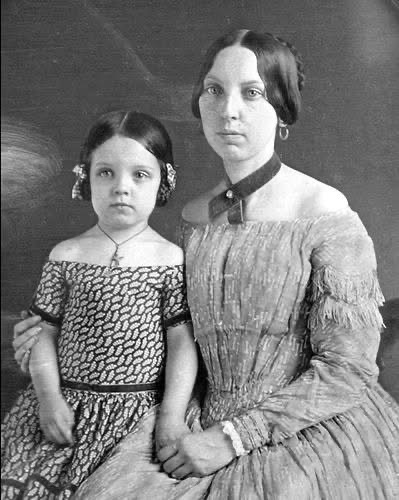
Martha had buried one husband already, a kind man who never came back from the trail. When she remarried Clay in Dodge City, 1874, folks said fortune had smiled on her — he was tall, handsome, and the kind to buy whiskey for a whole room just to hear the laughter rise. To the outside world, he was charm in a fine hat. To Martha, behind their cabin door, he was a storm.
At first it was small things — a hard stare, a cruel word, a drink too many. But then his gaze shifted toward Eliza, Martha’s little girl, and the air in the cabin changed. Supper fell quiet, the child flinching at every sound, her smile gone. Martha watched in silence until the night she found Clay drunk, leaning too near her daughter’s bed. That was the line she would not let him cross.
She dragged him out by the collar, pistol shaking in her hand, and by dawn she was standing in the county office, signing her name to divorce papers while the ink still trembled. Folks whispered about her for years — not with scorn, but with respect. In a town where women often kept quiet, Martha’s courage was louder than any gunshot. And Eliza, grown and safe, never forgot the night her mother chose her over fear.
 opensenseme